Should I Worry If My Cat Avoids Me
Should I worry if my cat avoids me is one of the most common questions cat owners quietly Google late at night, usually after being ignored for the tenth time that day. If your cat suddenly walks away when you enter the room, skips cuddle time, or acts like you’re an annoying roommate instead of their favorite human, you’re not alone—and no, it doesn’t automatically mean something is wrong.
Cats are masters of subtle communication. What looks like rejection is often your cat expressing a need, responding to change, or simply being… a cat.
Let’s break down what’s really happening when your cat avoids you, when it’s normal, when it’s not, and what you can do about it—without overreacting or taking it personally.
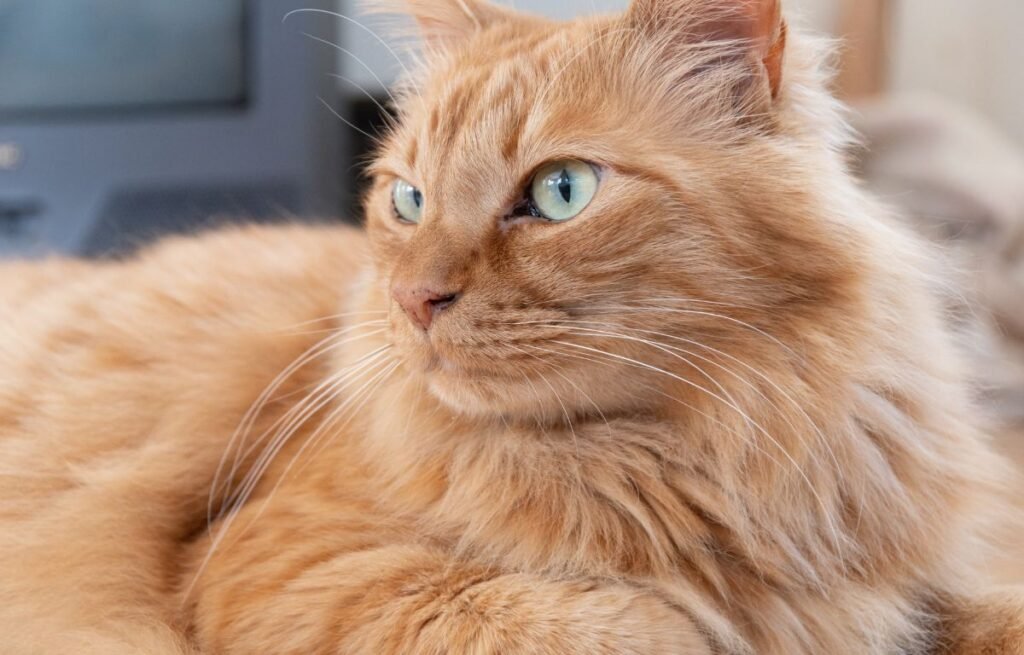
What Does “Avoiding” Actually Look Like in Cats?
Before jumping to conclusions, it’s important to define what avoidance really means in feline terms. Cats don’t avoid people the same way humans do.
Common signs your cat may be avoiding you include:
- Leaving the room when you sit down
- No longer sleeping near you
- Ignoring your calls or treats
- Choosing high shelves or hidden spots
- Reduced physical contact
What matters most is change. A cat who has always been independent is different from a cat who was once affectionate and suddenly distant.
Cats thrive on predictability, so even small disruptions can influence how close—or distant—they choose to be.
The Most Common (and Normal) Reasons Cats Avoid Their Humans
1. Your Cat Is Overstimulated
Cats have a social battery. When it runs low, they need space.
Petting sessions that last too long, loud environments, or too much interaction can push your cat into avoidance mode. This doesn’t mean they dislike you—it means they’re self-regulating.
Many cats walk away before becoming annoyed. That’s actually good communication.
2. Something Changed in Your Home
Cats notice everything. New furniture. A new scent. A schedule change. A different laundry detergent.
Even positive changes—like working from home or having guests—can make a cat feel unsettled. When their environment feels unpredictable, distance becomes a coping strategy.
This is especially common after:
- Moving homes
- Rearranging furniture
- Getting a new pet
- Changes in work hours
Cats process change slowly. Avoidance is often temporary.
3. Your Cat Is Responding to Your Mood
Cats are incredibly sensitive to human emotions. Stress, anxiety, or tension doesn’t go unnoticed.
If you’ve been overwhelmed lately, your cat may be giving you space—not punishment, but caution. Many cats prefer calm, predictable energy.
As writer Agnes Repplier famously said, “A cat is a puzzle for which there is no solution.” But emotional awareness is one of their hidden talents.
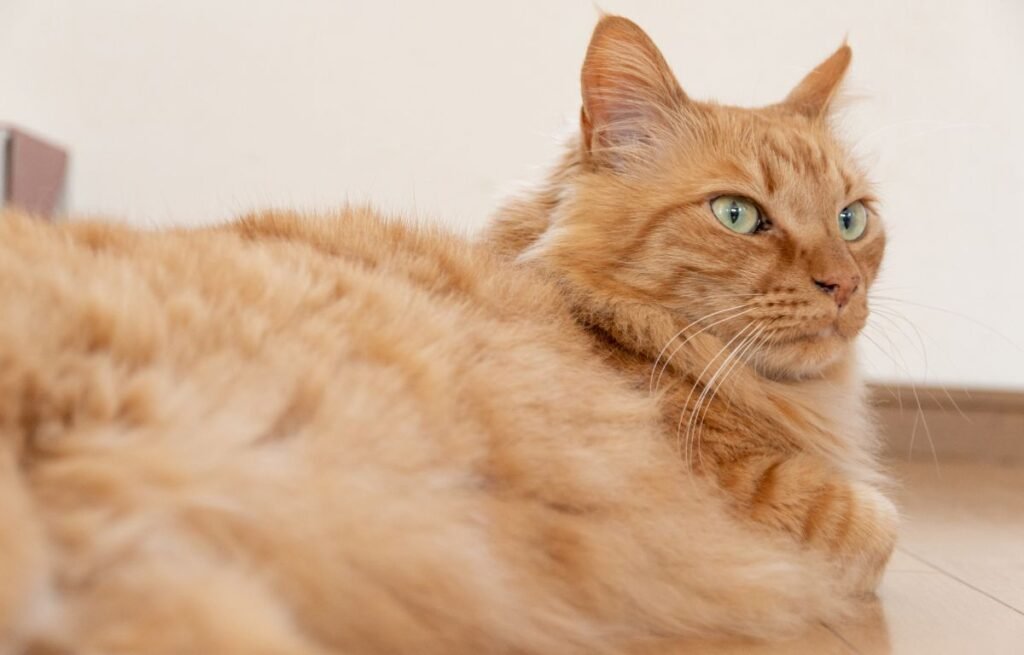
4. Your Cat Is Asserting Independence
Cats aren’t wired for constant closeness. Some days they’re velcro cats. Other days they’re solitary philosophers.
This natural ebb and flow is normal feline behavior. Distance doesn’t equal disconnection—it often means your cat feels secure enough not to cling.
Ironically, cats tend to avoid people who try too hard to bond.
When Avoidance Might Signal a Problem
So, should I worry if my cat avoids me all of a sudden and consistently? Sometimes, yes—but calmly.
1. Sudden Behavior Changes
If avoidance appears overnight and lasts several days, especially in an otherwise social cat, it’s worth paying attention.
Behavioral changes can indicate discomfort, stress, or environmental issues.
Watch for:
- Hiding more than usual
- Changes in eating or litter habits
- Increased irritability
You don’t need to panic—but observation matters.
2. Association With a Negative Experience
Cats form strong associations. If you recently:
- Gave medication
- Took them to the vet
- Trimmed nails
- Bathed them
Your cat may temporarily avoid you to prevent a repeat experience. This isn’t betrayal—it’s survival logic.
Trust usually returns once the memory fades.
3. Social Stress or Territory Issues
Multi-cat households often experience subtle tension. One cat avoiding a human may actually be avoiding another cat.
Vertical space, feeding routines, and safe zones can dramatically influence feline confidence. Learning more about cat behavior can help you better understand and navigate these subtle social dynamics.
What Not to Do When Your Cat Avoids You
Your instinct may be to fix the distance immediately—but that often backfires.
Avoid:
- Forcing physical contact
- Following your cat around
- Picking them up repeatedly
- Speaking loudly or emotionally
Cats interpret pressure as a threat. Space rebuilds trust faster than persistence.
How to Rebuild Connection (Without Trying Too Hard)
1. Let Your Cat Come to You
The most powerful bonding tool is restraint.
Sit quietly. Avoid eye contact. Let your cat decide. This signals safety and respect.
Slow blinking—known as a “cat smile”—can also invite interaction without pressure.
2. Re-establish Predictable Routines
Cats feel secure when they know what comes next.
Consistent feeding times, play sessions, and quiet moments help your cat relax and re-engage.
Routine builds trust faster than affection.
3. Use Play as a Social Bridge
Interactive play mimics hunting and creates positive associations.
Wand toys, short sessions, and ending play with a small treat can gently restore closeness, especially when the toys match your cat’s unique personality and energy level.
4. Respect Their Preferred Affection Style
Some cats love laps. Others prefer proximity without touch.
Your cat choosing to sit nearby—even without cuddling—is still connection.
Once you understand feline body language, those quiet signs of trust become much easier to recognize.
Is It My Fault If My Cat Avoids Me?
In most cases, no.
Cats don’t hold grudges. They respond to stimuli, environment, and internal states.
Avoidance is communication, not condemnation.
Your role isn’t to correct your cat—it’s to listen.
How Long Does Cat Avoidance Usually Last?
For situational stress or overstimulation, avoidance often resolves within:
- A few hours
- A couple of days
- One to two weeks after a major change
If avoidance lasts longer than a few weeks and includes other concerning signs, consulting a professional may be helpful—but don’t assume the worst.
FAQ
Should I worry if my cat avoids me suddenly?
Sudden avoidance deserves attention, but not panic. Look for environmental changes, recent stressors, or routine disruptions before assuming something serious.
Should I worry if my cat avoids me but still eats and plays?
If your cat is otherwise behaving normally, avoidance is usually emotional or situational rather than a health issue.
Should I worry if my cat avoids me after a vet visit?
No. This is very common. Cats often associate smells or handling with stress. Trust typically returns with time and calm interaction.
Should I worry if my cat avoids me only at night?
Nighttime avoidance can be linked to overstimulation, sleep preferences, or changes in your evening routine. It’s rarely a red flag on its own.
Should I worry if my cat avoids me but follows me around?
That’s not avoidance—it’s cautious closeness. Your cat wants connection but on their own terms.
Should I worry if my cat avoids me after getting another pet?
Temporary avoidance is normal during adjustment periods. Gradual introductions and safe spaces help rebuild confidence.
Conclusion – Should I Worry If My Cat Avoids Me
If you’ve been asking yourself, should I worry if my cat avoids me, the answer is usually gentler than you think. Cats don’t withdraw out of spite. They retreat to process, regulate, and feel safe.
Give your cat space. Maintain routine. Observe without judgment.
More often than not, your cat isn’t leaving you—they’re just taking a quiet step back before choosing to return.
Follow us for more cat behavior insights at AskYourCat.com — because every cat has something to say.