Is It Normal for Cats to Avoid Eye Contact
Is it normal for cats to avoid eye contact?
This is a question many cat owners ask when they notice their cat turning its head away instead of looking back, especially during quiet moments at home. While it may feel confusing or even slightly hurtful at first, avoiding eye contact is one of the most natural and misunderstood feline behaviors, and in most cases, it has nothing to do with rejection or emotional distance.
Cats communicate very differently than humans, and their body language follows instinctive rules that prioritize calm, safety, and balance rather than constant engagement. Once you understand how cats use eye contact, this behavior becomes much easier to interpret correctly.
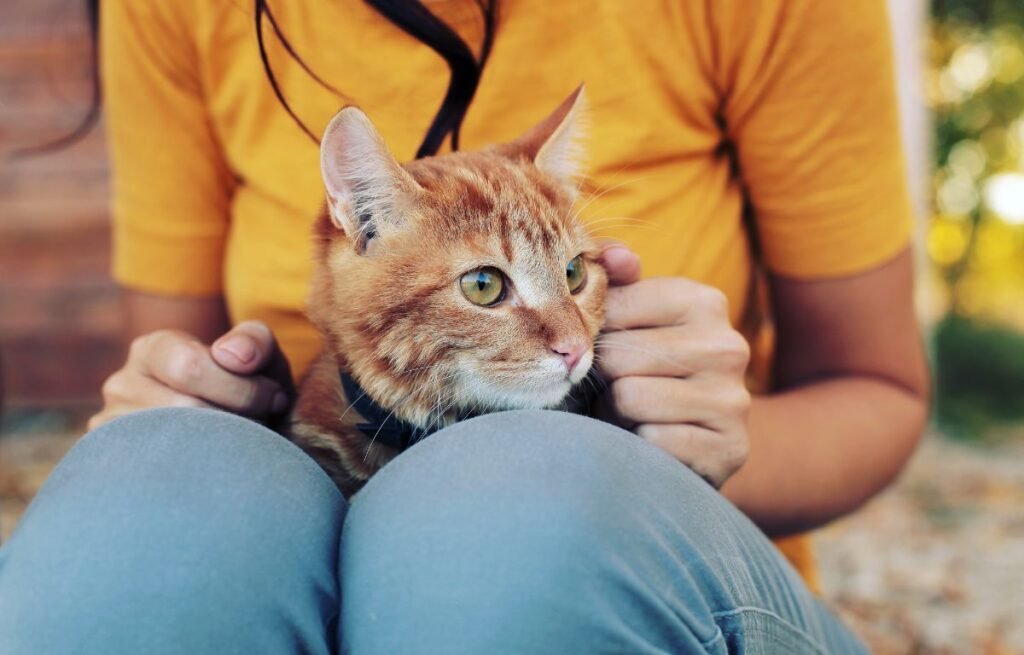
Is It Normal for Cats to Avoid Eye Contact With Their Owners?
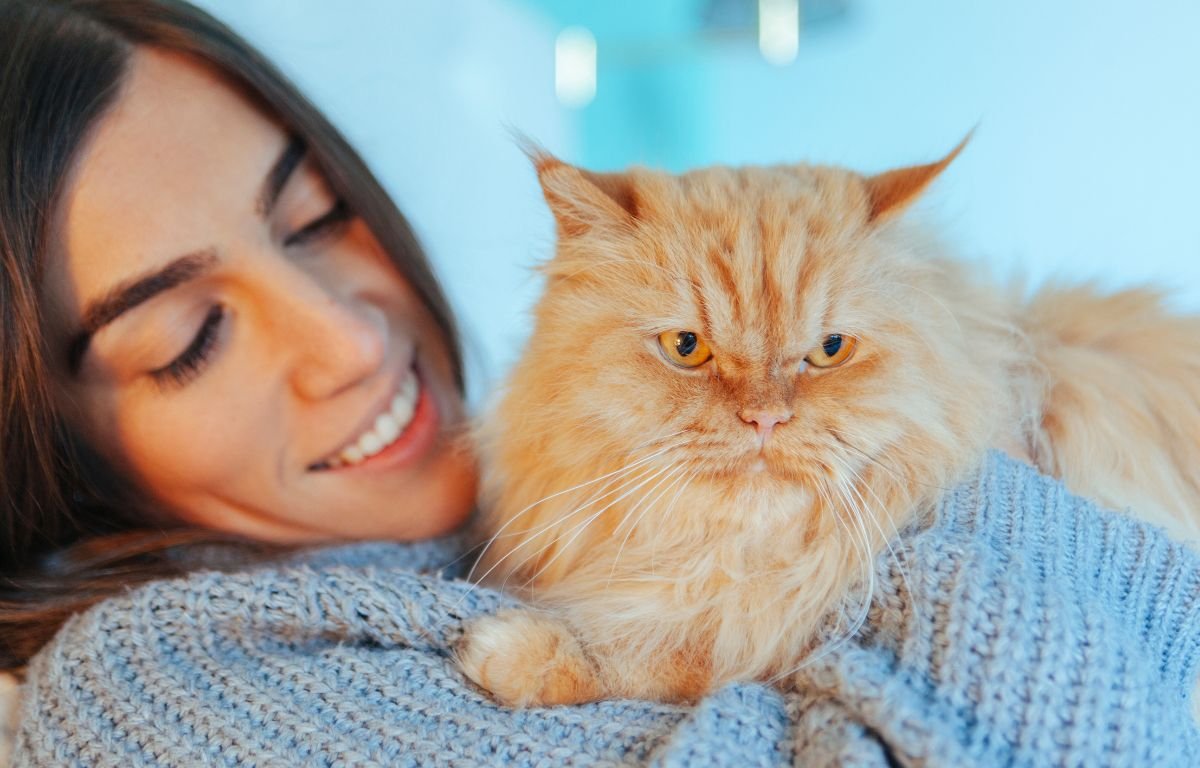
Yes, it is completely normal for cats to avoid eye contact with their owners, particularly in familiar and relaxed environments. Cats do not rely on eye contact to maintain emotional connection, and in many cases, looking away actually signals comfort rather than avoidance.
When a cat lives with someone it trusts, there is no need to constantly monitor that person visually. Avoiding eye contact allows the cat to remain relaxed and emotionally regulated, especially during calm, everyday interactions. In this sense, looking away is often a sign that your cat feels safe enough not to stay alert.
How Cats Interpret Eye Contact
Cats interpret eye contact very differently than people do, because in the feline world, a direct stare often signals tension, uncertainty, or a possible challenge. While humans associate eye contact with attention and affection, cats tend to associate it with heightened awareness.
A relaxed cat usually softens its gaze, blinks slowly, or turns its head aside, using cat body language that helps keep interactions calm and non-confrontational. This is why many cats look away while sitting close to their owners, choosing peaceful coexistence instead of visual engagement.
Common Moments When Cats Avoid Eye Contact
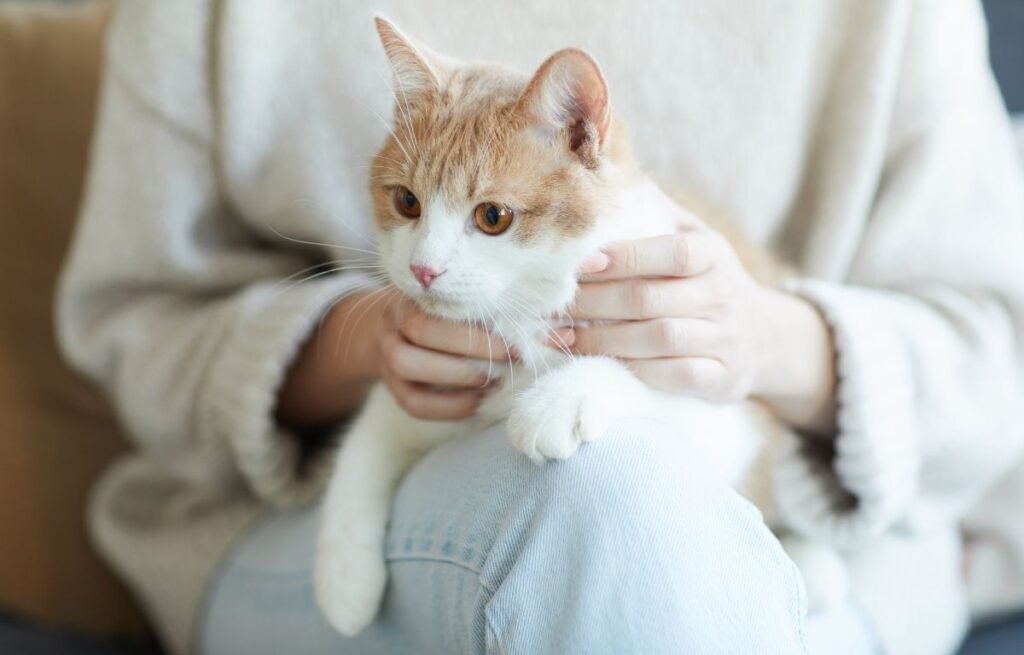
Cats tend to avoid eye contact in very specific, everyday situations, and recognizing these moments helps put the behavior into context.
When you call your cat’s name, it may acknowledge you by turning an ear or shifting its body while still avoiding direct eye contact, which often means it has registered your presence without feeling the need to respond visually. During petting, many cats look away once they feel comfortable, especially when the interaction reaches a calm, settled phase.
Cats also commonly avoid eye contact when a new person enters the room, as looking away helps them observe without escalating tension. Even while resting nearby on a couch or bed, a cat may choose to sit facing away while remaining close, which reflects comfort and trust rather than disinterest.
Indoors vs Outdoors: Why the Meaning Changes
Whether a cat lives indoors or outdoors plays a major role in how eye contact is used and interpreted.
Indoors, cats live in a predictable and familiar space where threats are minimal. In this environment, avoiding eye contact usually signals relaxation and emotional security. A cat sitting near you on the couch while looking away is not disengaged, but settled and at ease, with no need to stay visually alert.
Outdoors, the same behavior serves a very different purpose. Outside, cats must constantly assess risks, territory, and other animals, which makes eye contact a strategic tool rather than an emotional one. Avoiding prolonged stares helps prevent conflict and reduces the chance of appearing threatening. For outdoor cats, looking away is often a survival-based decision rather than a reflection of mood or bonding.
When to Worry: Red Flags to Watch For
Avoiding eye contact by itself is rarely a cause for concern, but context always matters, especially if behavior changes suddenly.
Red flags may include avoiding eye contact combined with hiding, withdrawal from interaction, noticeable changes in appetite or energy levels, increased aggression such as hissing or growling, or tense body posture that persists over time. Physical signs like squinting, pawing at the face, or frequent head shaking can also indicate discomfort that goes beyond normal communication.
When multiple changes appear together, avoiding eye contact may reflect stress or discomfort rather than calmness. In those situations, observing patterns over time and consulting a veterinarian can help rule out underlying issues.
How to Respond When Your Cat Avoids Eye Contact
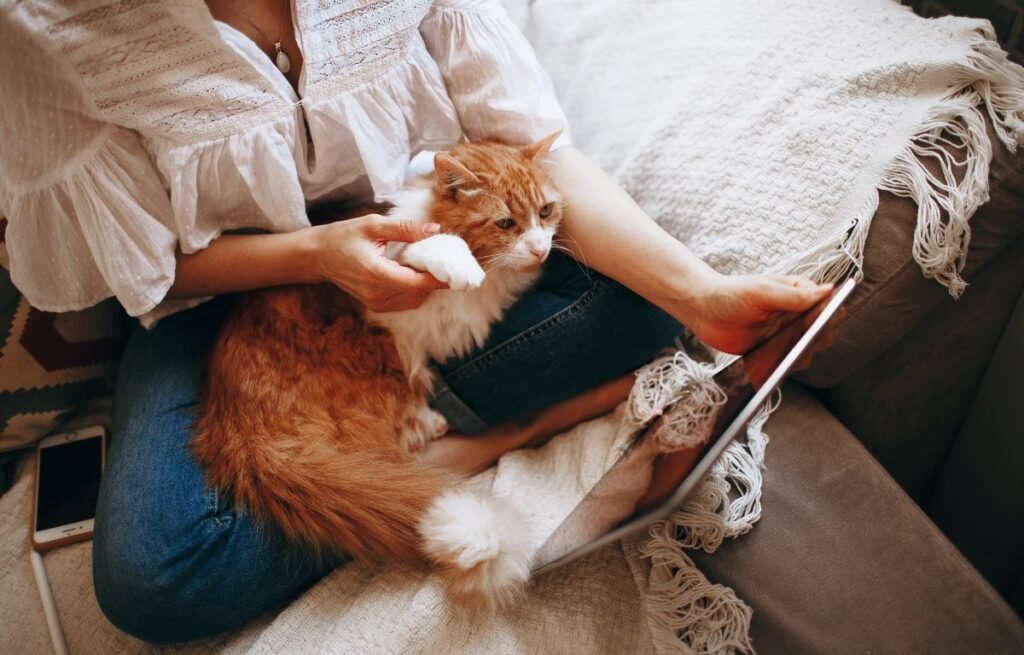
In most cases, the best response to a cat avoiding eye contact is patience and respect. Allowing your cat to interact on its own terms reinforces emotional safety and trust.
Maintain calm energy, speak softly, and avoid leaning directly over your cat’s face. Let interactions develop naturally without trying to force visual engagement. Over time, this approach often leads to more relaxed and voluntary closeness.
Avoid repositioning your cat or attempting to make it look at you, as these actions can introduce unnecessary tension. Respecting your cat’s communication style strengthens the relationship far more than direct control ever could.
What This Behavior Says About Your Relationship
Avoiding eye contact does not mean your cat feels disconnected from you. In fact, it often reflects emotional confidence and comfort within the relationship.
Cats that feel secure do not need constant reassurance, and their body language tends to become quieter and more relaxed as trust deepens. For many cats, looking away is simply a sign that everything feels stable and safe.
FAQ – Is It Normal for Cats to Avoid Eye Contact
Is it normal for cats to avoid eye contact with their owners?
Yes, especially in familiar environments where the cat feels relaxed and secure.
Do cats avoid eye contact when they are happy?
Often, yes. Calm and content cats frequently soften their gaze or look away.
Should I try to make my cat look at me?
No. Forcing eye contact can create stress and weaken trust.
Is avoiding eye contact always a sign of fear?
No. Context matters, and many cats avoid eye contact simply because they feel safe.
Does eye contact mean the same thing for every cat?
No. Personality, past experiences, and environment all influence how cats use eye contact.