Why Does My Cat Scratch Me – Causes & How to Stop It
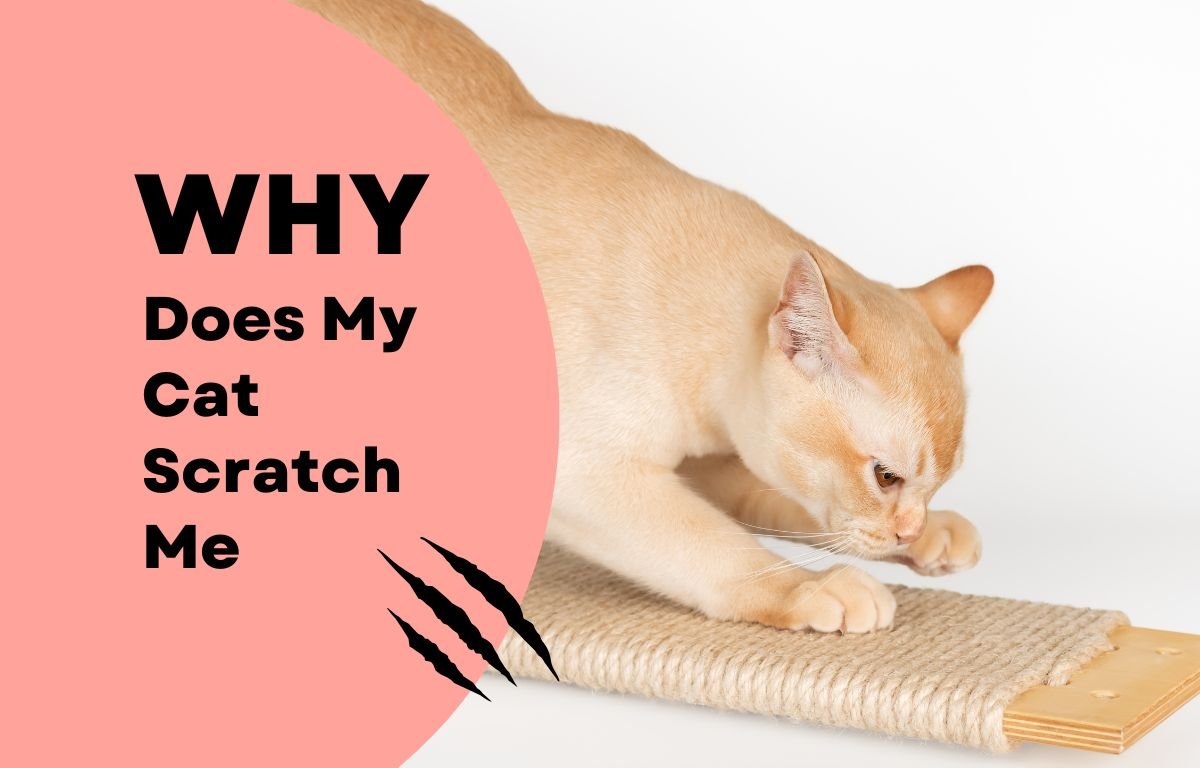
Why Does My Cat Scratch Me is a question many cat parents ask the moment those sharp little claws make contact with skin. It can feel personal, confusing, and sometimes painful — especially when your cat seems happy one second and then suddenly decides your arm is a scratching post.
The truth? Scratching is a natural behavior, and understanding the reasons behind it is the first step to stopping it. Let’s explore what your cat is really trying to tell you.
Why Cats Scratch Humans: The Real Causes
1. Scratching Is Communication
Your cat doesn’t have words. So they speak with actions — claws included.
Scratching can mean:
- “This is mine” (scent marking)
- “I’m excited!”
- “I’m anxious or overstimulated”
- “I need space right now”
Cats have scent glands in their paws, so when they scratch you, they’re also leaving a familiar smell. It’s their way of saying:
“You belong to me.”
You might notice scratching paired with other communication habits such as rubbing, kneading, or even wrapping their tail around you. These behaviors allow your cat to leave scent markers and strengthen social bonds. If you’ve ever wondered why your cat rubs their head or body against your legs so affectionately, you can learn more about that meaning in this helpful breakdown of feline rubbing behavior — a fascinating insight into how cats share their scent and claim someone as part of their family.
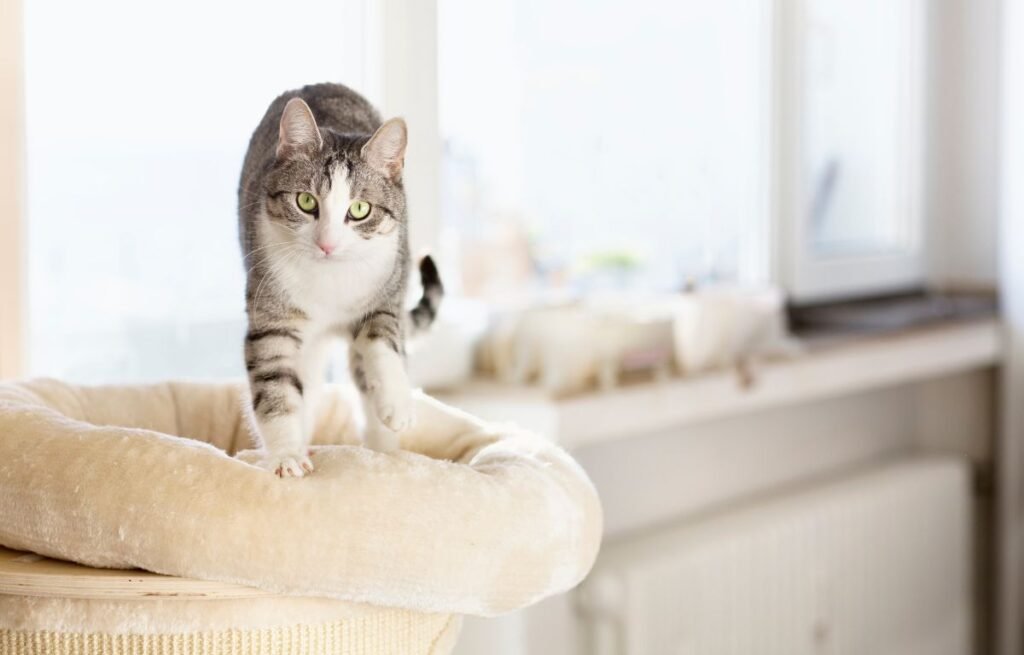
2. Overstimulation: Too Much of a Good Thing
Petting-induced aggression is extremely common.
A scenario you probably know:
- You’re giving your cat gentle affection
- They’re purring and relaxed
- And then… swat!
Some cats have a lower petting tolerance and can quickly shift from comfort to irritation. It’s not moodiness — it’s sensory overload.
Tip: Watch for early warning signs:
- Tail flicking
- Skin twitching over the back
- Ears turning sideways
- Sudden stare
If you stop at those clues, scratches won’t follow.
3. Play Behavior That Went Too Far
Kittens especially use paws and claws to explore the world.
But if your hand became their favorite toy early in life — the habit sticks.
Scratching during play says:
“Let’s play… but I decide the rules!”
Redirecting energy to safe objects helps them still be wild little predators — without using your arm as prey.
4. Fear and Stress
A scared cat uses claws to create distance.
Common triggers:
- Sudden loud noise
- New smells or visitors
- Changes in household routines
- Another animal causing tension
If your cat scratches and then quickly retreats, they’re asking for a safe bubble.
5. Medical Discomfort
Sometimes scratching is a defensive response — especially if you touched a painful spot.
Potential causes:
- Arthritis
- Dental discomfort
- Skin irritation
- Hidden injury
When a loving cat suddenly becomes reactive, consider a vet check.
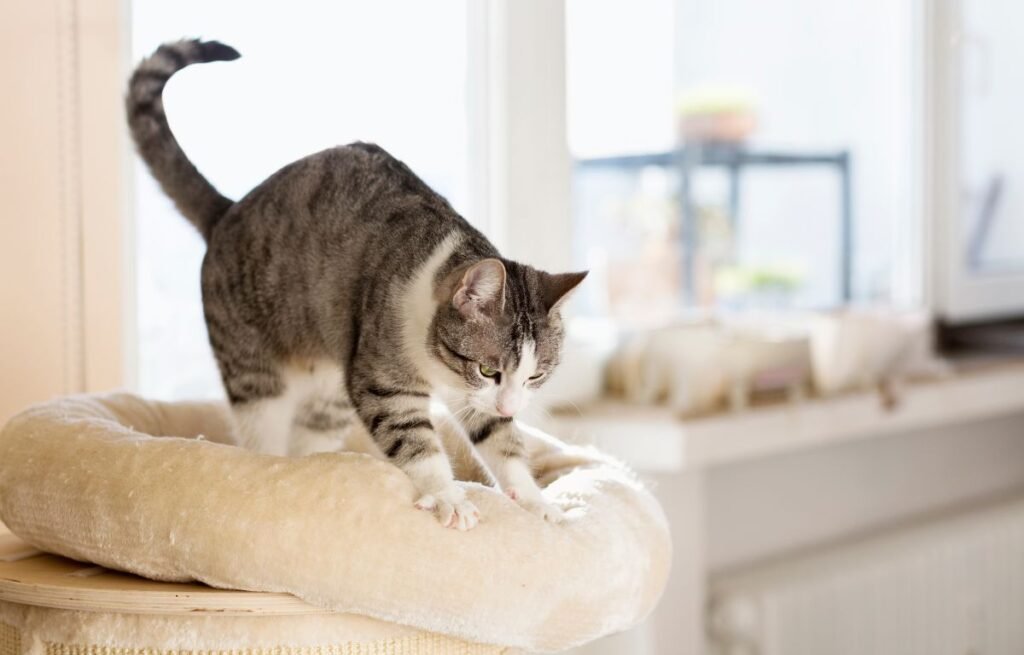
Why Does My Cat Scratch Me When I’m Not Doing Anything?
Sometimes you’re just… sitting there. And your cat decides to strike.
This usually means:
- Attention seeking (“Hey! Pay attention to me.”)
- Hunting instincts (“Your foot moved. That’s enough.”)
- Boredom bursts (like zoomies, but with claws)
Cats have unpredictable energy spikes. Your stillness is the perfect surprise opportunity.
What Your Cat Wants You to Understand
Scratching is not personal.
It’s instinct.
Even the legendary cat-lover Ernest Hemingway observed:
“A cat has absolute emotional honesty.”
If they scratch, it’s because that’s what they feel in the moment.
How to Stop Your Cat from Scratching You
1. Learn Your Cat’s Signals
Prevention starts with recognizing their boundaries.
If the tail flicks and ears flatten — pause. Your cat is saying:
“I’m done here.”
Give them space and the scratching won’t happen.
2. Redirect, Don’t Punish
Never yell or punish — it creates more fear and more scratching.
Instead:
- Offer safe scratch-friendly objects
- Use toys that keep hands far away
- Reward gentle play with treats or praise
Change the behavior by giving a better outlet — not by suppressing instincts.
3. Encourage Healthy Claw Use
Cats need to scratch. It’s essential for their muscles, claws, and mental wellness.
Support the habit with:
- Vertical surfaces (for stretching)
- Horizontal surfaces (for variety)
- Multiple scratch options in different rooms
Place safe scratching options near the places they currently scratch… like the couch, or unfortunately, you.
4. Reduce Stress Triggers
A calm cat = a gentle cat.
Small changes that make a big difference:
- Stick to predictable feeding/play routines
- Provide hiding spots and elevated resting areas
- Gradually introduce new people or animals
A secure cat doesn’t need defensive claws.
5. Protect Your Hands During Play
If your fingers look like prey — your cat will treat them like prey.
Choose wand toys or soft toss toys so your skin never becomes the target.
When Scratching Escalates Into Biting
Behaviors often connect. Many cats scratch first, then nibble to express discomfort.
If your cat sometimes escalates from claws to teeth, this behavior breakdown might help you understand the transition more deeply on AskYourCat:
Read more in Why Does My Cat Lick Me Then Bite Me — it explores affection that suddenly turns into sharp reactions.
Should You Worry?
Occasional scratches are simply part of living with a hunter.
But you should consult a vet or behaviorist if:
- Scratching is frequent and intense
- It starts suddenly in a normally calm cat
- It happens without any visible triggers
Sometimes hidden pain or anxiety whispers — and claws speak louder.
Cats Scratch Because They Love Wildly
A scratch from your cat isn’t rejection — it’s communication.
They are saying:
- “I’m excited!”
- “I need space!”
- “This is how I play!”
- “I don’t feel okay right now!”
Decoding the scratch means growing your relationship.
When you listen to their language, those claws become far less confusing.
FAQs — Why Does My Cat Scratch Me?
Why does my cat scratch me when I pet them?
Likely overstimulation — stop when you see early warning signs.
Why does my cat scratch me but not other people?
You’re their favorite — and they feel safest expressing big emotions with you.
Why does my cat scratch me in the morning?
Morning energy spikes + attention requests = claws involved.
Why does my cat scratch me out of nowhere?
Something caught their attention or they hit a sensory limit fast.
Can I train my cat not to scratch me?
Not to stop scratching completely — but you can redirect the behavior.
Is scratching a sign of aggression?
Not always — fear, excitement, and play are much more common causes.
Why does my cat scratch me instead of furniture?
Your skin moves, reacts, and feels more rewarding as “prey.”
Conclusion – Why Does My Cat Scratch Me
Why Does My Cat Scratch Me is a question of understanding, not discipline. Scratching is how your cat communicates needs, boundaries, excitement, or stress. When you learn to read their signals, respect their space, and redirect their energy, your bond becomes safer — and stronger.
Follow us for more cat behavior insights at AskYourCat.com — because every cat has something to say.