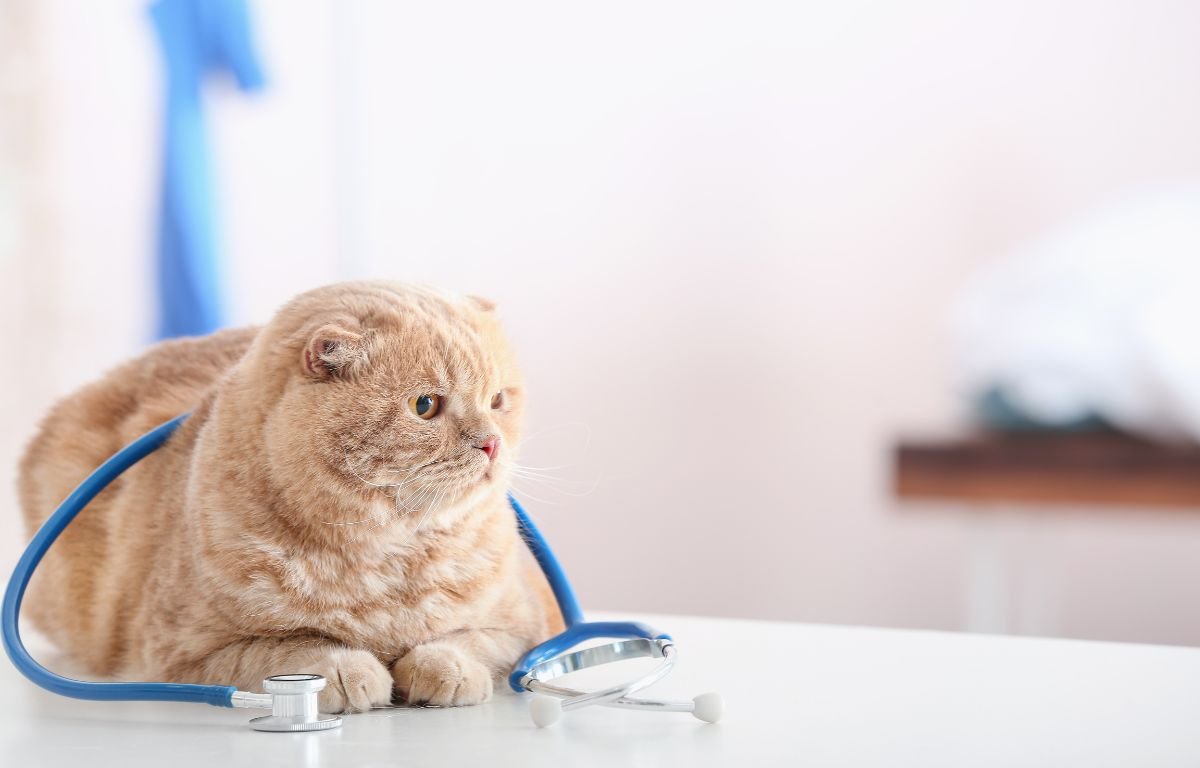
My Cat Changed Behavior After a Vet Visit — Should I Worry
My Cat Changed Behavior After a Vet Visit — Should I Worry? If this thought crossed your mind the moment you got home and your cat suddenly seemed distant, clingy, or just… off, you’re not alone. Many cat parents notice a shift right after a veterinary appointment, and while it can feel unsettling, the explanation is often far more ordinary than you fear.
This article walks you through why behavior changes happen after vet visits, what’s normal, what’s not, and how to help your cat feel like themselves again—without panic or guesswork.
Why Cats Often Act “Different” After a Vet Visit
A vet visit disrupts nearly everything a cat values: routine, control, scent familiarity, and predictability. Even the calmest clinic experience can overload a cat’s senses.
Here’s what’s typically at play.
Sensory overload (smells matter more than you think)
Cats rely heavily on scent to understand the world. Veterinary clinics are filled with unfamiliar smells—other animals, disinfectants, medications. When your cat returns home smelling “wrong,” it can briefly confuse both them and other pets in the household.
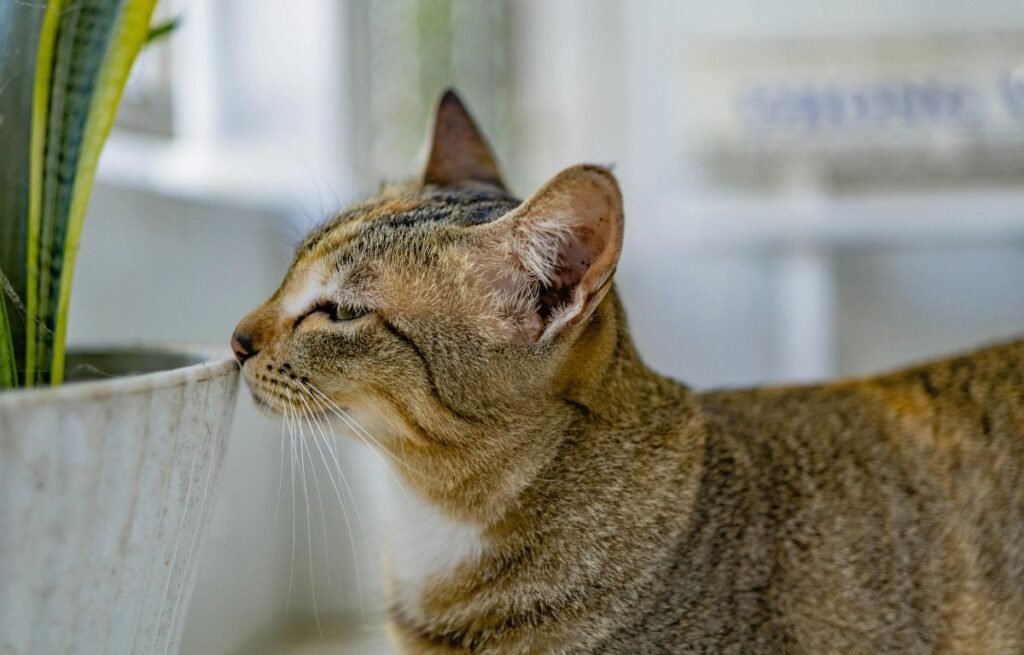
To your cat, it’s like walking into your own house and realizing it suddenly smells like a stranger.
Stress response, not memory of pain
Cats don’t usually replay the appointment in their minds the way humans do. What you’re seeing isn’t resentment or grudge-holding—it’s a stress response.
Stress hormones can linger for hours or even days, subtly changing:
- Energy levels
- Social tolerance
- Appetite
- Sleep patterns
This is especially common after longer visits, tests, or procedures.
Common Post-Vet Behavior Changes (That Are Usually Normal)
Some changes look dramatic but fall well within normal adjustment.
Your cat becomes distant or hides
This is one of the most common reactions. Hiding helps cats regulate stress and regain a sense of control.
You might notice your cat:
- Retreating under the bed
- Avoiding eye contact
- Sleeping more than usual
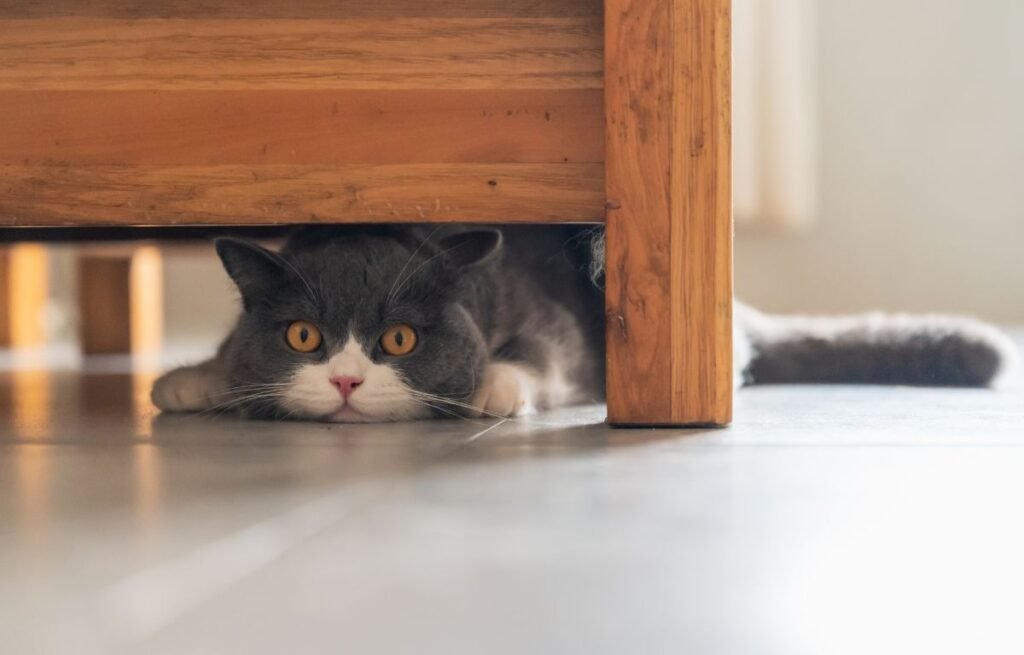
As long as this improves within 24–72 hours, it’s generally not a cause for concern.
Your cat suddenly becomes extra clingy
On the flip side, some cats seek reassurance. If your cat follows you everywhere or demands more attention, they’re self-soothing.
This often overlaps with sudden affection, which can feel surprising if your cat is usually independent.
Your cat seems irritated or short-tempered
Lower stress tolerance can show up as:
- Quick swats
- Growling when touched
- Avoiding being picked up
This doesn’t mean your cat has become aggressive—it means their emotional “buffer” is temporarily thinner.
When a Behavior Change Might Be a Red Flag
While most post-vet changes resolve quickly, there are situations where concern is justified.
The behavior lasts longer than a few days
If your cat hasn’t returned to baseline after 3–5 days, it’s time to look closer. Lingering withdrawal, aggression, or fear can signal unresolved stress or discomfort.
There’s a complete personality shift
A cat who suddenly:
- Stops eating
- Stops using the litter box
- Avoids all interaction
may be experiencing more than emotional stress.
The change worsens instead of improving
Gradual improvement is normal. Escalation isn’t.
If your cat becomes more withdrawn, more reactive, or increasingly lethargic, don’t ignore it.
The Role of Routine in Post-Vet Recovery
Cats don’t “feel better” through reassurance alone. They feel better through predictability.
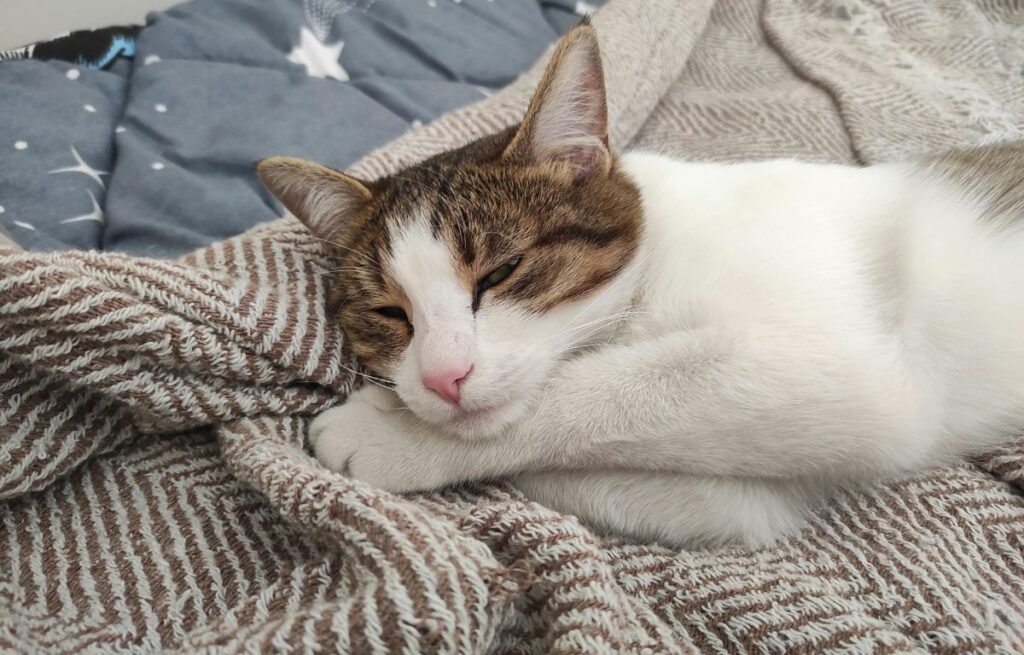
Why routine matters more than comfort
After a vet visit, too much attention can actually increase stress. What helps most is returning to normal:
- Feed at the usual times
- Keep play sessions familiar
- Avoid introducing new people or changes
Your calm consistency sends a powerful message: the world is stable again.
This is especially important if your cat’s behavior has changed before due to environmental disruptions, such as moving homes or rearranging spaces.
Helping Your Cat Reset After a Vet Visit
You don’t need fancy tools—just thoughtful choices.
Give space without emotional distance
Let your cat initiate contact. Sit nearby, speak softly, but don’t force interaction.
Reintroduce familiar scents
Wipe your cat gently with a familiar blanket or towel to help restore their “home smell.” This can reduce both self-stress and tension with other pets.
Use play strategically
Short, low-pressure play sessions help release stress hormones. Think wand toys or slow movements—not overstimulation.
Keep the environment quiet
Avoid loud noises, guests, or rearranging furniture for a day or two. Calm environments speed recovery.
What If You Have Multiple Cats?
This is where things can get tricky.
A cat returning from the vet may be treated like an outsider by resident cats. Hissing, avoidance, or mild scuffles aren’t uncommon.
This isn’t personal—it’s scent confusion.
Temporary separation, scent swapping, and patience usually resolve the issue within a day or two.
Famous Insight That Still Rings True
As Mark Twain once said, “If man could be crossed with the cat, it would improve man but deteriorate the cat.”
Cats don’t adapt to stress the way we do—they retreat, observe, and recalibrate. Understanding that difference is key to interpreting post-vet behavior correctly.
When to Contact Your Vet Again
Reach out if you notice:
- Persistent appetite loss
- Repeated vomiting or diarrhea
- Severe lethargy
- Signs of pain when touched
These aren’t typical stress responses and deserve professional input.
Preventing Stress at Future Vet Visits
You can reduce the likelihood of future behavior changes.
Before the visit
- Leave the carrier out days in advance
- Add familiar bedding
- Practice short, positive carrier sessions
After the visit
- Keep the first evening quiet
- Maintain routine
- Offer comfort without pressure
Some cat parents also explore calming aids or familiar products that support stress reduction—but simplicity usually works best.
FAQs: My Cat Changed Behavior After a Vet Visit
How long should post-vet behavior changes last?
Most cats return to normal within 24–72 hours.
Is it normal if my cat ignores me after the vet?
Yes. Temporary withdrawal is a common stress response.
Why is my cat suddenly more affectionate after a vet visit?
Stress can trigger reassurance-seeking. Increased affection is often a coping mechanism and closely tied to changes in affection.
Can a vet visit cause long-term behavior changes?
Rarely. Persistent changes usually indicate another underlying issue.
Should I discipline my cat for acting aggressive after the vet?
No. Punishment increases stress and delays recovery.
What if my cat stops eating after the appointment?
Skipping one meal can happen, but more than 24 hours warrants attention.
Conclusion: So… Should You Worry?
In most cases, no. When My Cat Changed Behavior After a Vet Visit — Should I Worry? pops into your head, the answer is usually reassurance, not alarm. What you’re seeing is your cat processing stress in the only way they know how.
Your role isn’t to fix them—it’s to give them space, routine, and quiet support while they reset.
Follow us for more cat behavior insights at AskYourCat.com — because every cat has something to say.