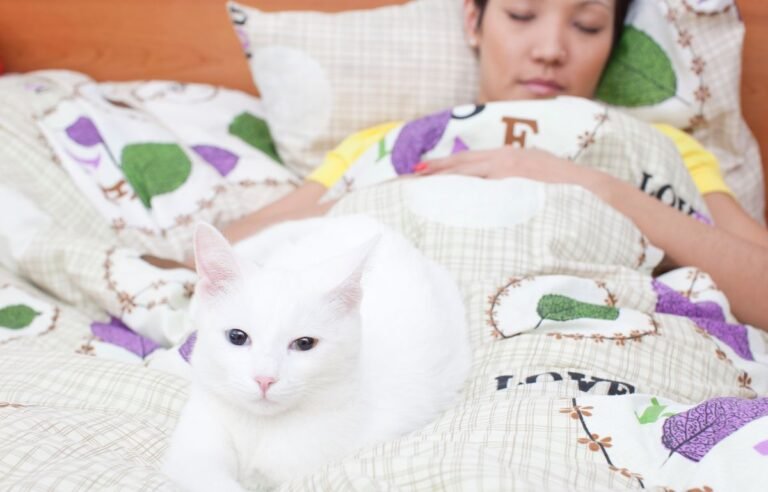
Cat Yowling at Night – Anxiety, Aging & Other Reasons
Cat Yowling at Night: Anxiety, Aging & Other Reasons can leave even the most patient cat parent lying awake and wondering what their feline friend is trying to say. Yowling isn’t just a louder meow. It is a deep, emotional vocalization that cats use when something truly demands attention. While it can be frustrating, especially at 3 a.m., this behavior is rooted in instinct, communication, and sometimes health concerns.
Let’s explore why cats yowl at night, what’s normal, and what you can do to help everyone sleep more peacefully again.

What Is Cat Yowling and Why Does It Happen at Night?
Yowling is a drawn-out, intense, often echoing sound. It can signal fear, confusion, distress, or a strong desire to communicate. Cats are crepuscular, meaning they are naturally most alert during the late evening and early morning. Your bedtime might be their preferred “let’s solve every problem in the world” hour.
Some nighttime yowling is normal. But when it becomes frequent or urgent, understanding the underlying cause is essential for your cat’s wellbeing.
Main Reasons for Cat Yowling at Night
Below are the most common causes veterinarians and behavior experts identify.
Anxiety and Stress
Cats dislike sudden changes. A new home, a new pet, a new baby, or even a changed work schedule can make them anxious. At night, when the house is quiet and dark, their stress grows louder. They may call out to check if the world is still safe.
Anxious yowling may also include pacing, hiding, or clingy daytime behavior.
Aging and Cognitive Confusion
Senior cats can experience cognitive decline, similar to dementia in people. This condition, sometimes called cognitive dysfunction syndrome (CDS), causes:
• Disorientation
• Confusion about where they are
• Difficulty finding their human
• Increased vocalizing after dark
A soft light and predictable routine can help older cats feel more secure.
Pain or Medical Issues
Cats instinctively hide pain, making nighttime vocalizing one of the earliest warning signs something is wrong. Yowling accompanied by behavior changes like appetite loss, aggression, or bathroom accidents deserves prompt veterinary attention.
Never assume a sudden change is “just behavior.” Trust your instincts.
Attention-Seeking Behavior
If yowling leads to a midnight play session, a snack, or cuddles, your cat learns that nighttime noise is effective. Cats are smart. They repeat what works.
This doesn’t mean they’re manipulative. They simply crave connection, especially if you were busy during the day.
Territorial or Mating Calls
Even indoor cats may react to unfamiliar outdoor cats. Hormones and instinct trigger loud communication. Spaying or neutering often reduces this type of nighttime yowling.
Hunger and Routine
If dinner was early or the bowl is even slightly visible at the bottom, expect commentary. Cats love routine more than almost anything else. A small bedtime meal may reduce hunger complaints.

How to Help a Cat Yowling at Night
The key is to address their emotional and physical needs, not just quiet them down.
Provide Enrichment During the Day
Bored cats become vocal cats. Offer stimulation through:
• Playtime with wand toys
• Food puzzles and slow feeders
• Window perches and climbing spaces
A cat who uses its brain and body during the day sleeps better at night.
Stick to a Consistent Routine
Cats thrive on predictability. Feed, play, and rest should follow a similar schedule every day. Even slight shifts can trigger nighttime concerns.
Give Reassurance Before Bed
Bonding time in the evening helps reduce anxious vocalizations. A few minutes of brushing or cuddling reinforces safety.
If your cat is meowing for love, they may also cry if ignored. This helpful guide on how to stop a cat from meowing at night explains emotional motivation and solutions.
Create a Safe Night Environment
Senior cats especially benefit from:
• Dim lighting
• Low-stress paths around furniture
• Access to food and water
• Sleeping near their human
The more familiar the space feels, the less confusion they experience.
When to Contact the Vet
You should seek veterinary support if:
• Yowling starts suddenly
• It sounds painful
• It continues every night
• There are changes in appetite or litter habits
• Your cat seems lost or anxious frequently
Behavior is one of the clearest health indicators in cats.
Emotional Reasons Deserve Understanding
There is a beautiful depth to a cat’s voice. As Sigmund Freud once said,
“Time spent with cats is never wasted.”
Your cat doesn’t want to disturb you. They want to be heard. Recognizing what triggers their nighttime emotions builds trust and strengthens your bond.
This resource explains more about what’s normal in nighttime vocalizing and when to be concerned:
the question of is it normal for cats to meow at night.
Real-Life Example
A reader shared that her previously quiet cat began yowling each night after she returned to office work. During the day, her cat napped alone. At night, he expressed his need for companionship loudly. When she added a short play session before bed and left a night light near his sleeping spot, the yowling faded within a week.
Small changes can create big comfort.
FAQs: Cat Yowling at Night
Why is my cat yowling at night all of a sudden?
Sudden behavior changes often signal stress or discomfort. Evaluate recent changes or consider a vet assessment.
Do cats yowl more at night as they age?
Yes. Seniors may experience cognitive confusion and rely on vocalizing to feel secure.
Is anxiety a common cause of nighttime yowling?
Absolutely. Stress and change are major triggers, especially in sensitive cats.
Should I ignore my cat when it yowls at night?
Only after ensuring all needs are met and there’s no pain or fear involved.
How can I calm an anxious cat after dark?
Routine, evening interaction, and environmental comfort reduce nighttime worry.
Can hunger cause yowling?
Yes. A small, late meal can prevent early-morning hunger complaints.
What if my cat yowls while looking lost or confused?
Disorientation in older cats may indicate cognitive changes that a vet can help manage.
Conclusion – Cat Yowling at Night – Anxiety, Aging & Other Reasons
Cat Yowling at Night: Anxiety, Aging & Other Reasons matters not only to protect your sleep but to protect your cat’s wellbeing. Yowling is a voice full of need, emotion, and instinct. By uncovering the cause and offering reassurance, health support, or routine changes, you show your cat that they are safe and understood.
Follow us for more cat behavior insights at AskYourCat.com — because every cat has something to say.