Is It Normal for a Cat to Act Different After Moving
Is It Normal for a Cat to Act Different After Moving?
Yes—and for many cats, it’s not just normal, it’s expected. A move changes everything your cat relies on to feel safe: smells, sounds, routines, and territory. Even the most confident cat can seem like a completely different animal once those familiar anchors disappear.
If your usually relaxed cat is suddenly hiding, acting distant, extra clingy, or doing things that make you think, “Who are you and what did you do with my cat?”—you’re not alone. Let’s break down what’s happening, what’s normal, and how you can help your cat feel like themselves again.
Why Moving Affects Cats So Deeply
Cats experience the world through territory. Your old home wasn’t just a place—it was a fully mapped emotional landscape.
When you move, your cat loses:
- Familiar scent markers
- Predictable sounds
- Established “safe zones”
- Known escape routes and hiding spots
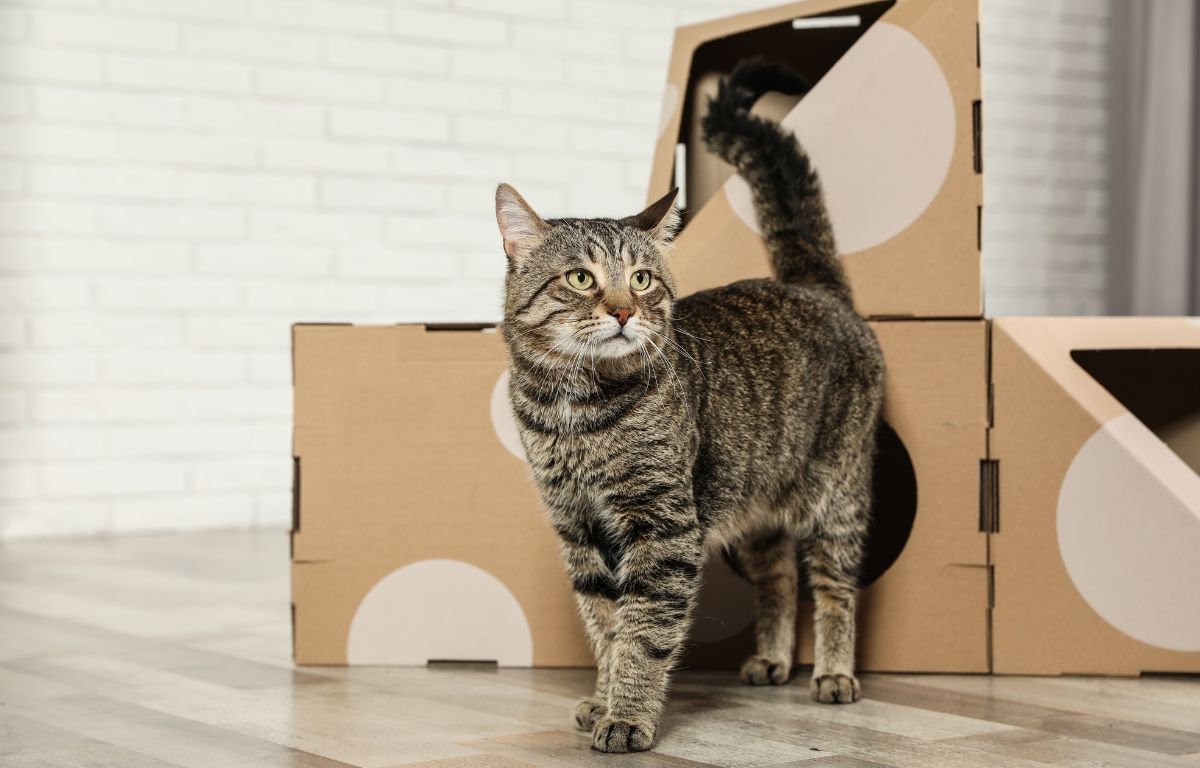
To your cat, the new home can feel like unexplored wilderness.
As cat behaviorist wisdom often reminds us, “Cats choose us; we don’t own them.” That choice depends heavily on feeling secure in their environment.
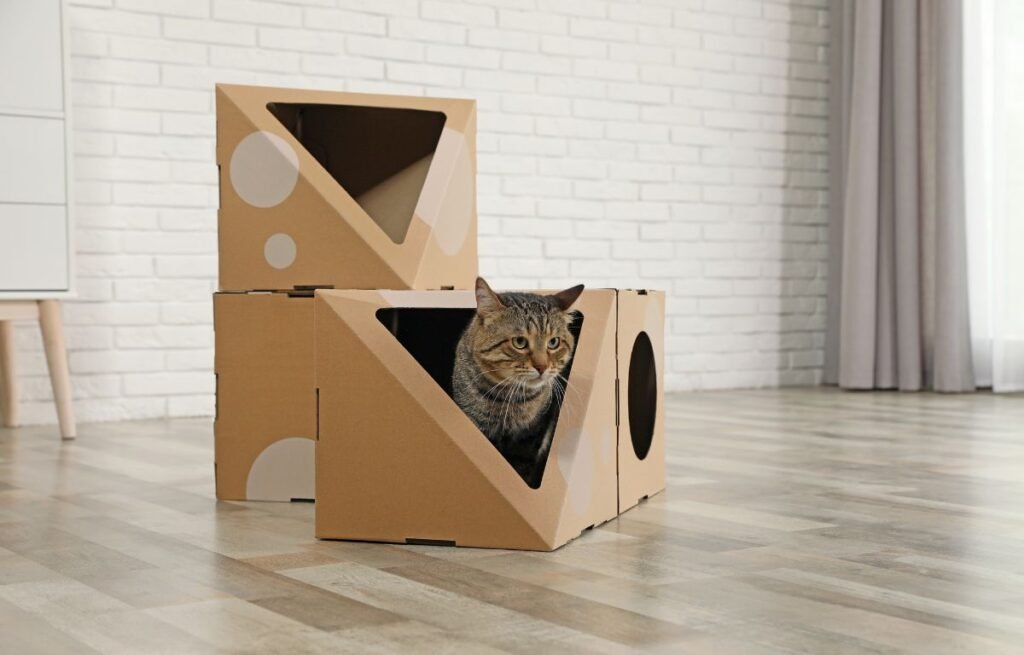
Common Behavior Changes After a Move
Not every cat reacts the same way, but certain shifts show up again and again.
Hiding More Than Usual
This is one of the most common responses. Closets, under beds, behind couches—these spots help your cat regulate stress.
Why it happens:
- New smells feel overwhelming
- Open spaces feel unsafe
- Your cat is gathering information quietly
This doesn’t mean your cat hates the new place. It means they’re processing it.
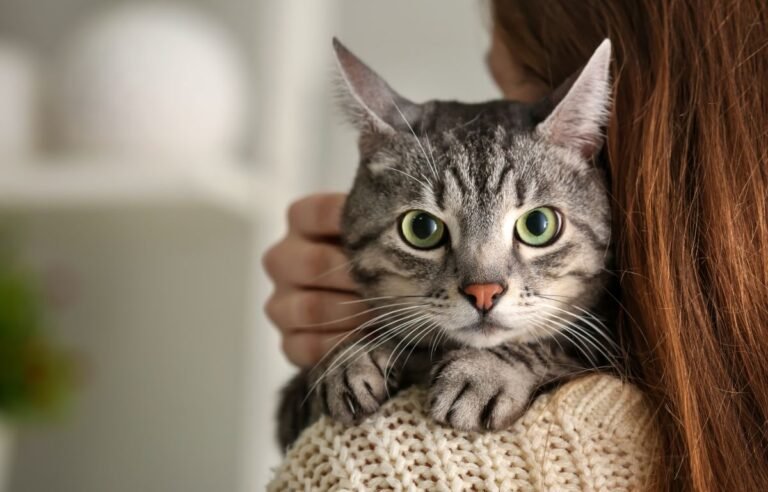
Increased Clinginess or Sudden Affection
Some cats go the opposite direction.
If your cat is following you everywhere, sleeping on your chest, or demanding constant attention, it may help to understand that this behavior overlaps with what we explore in AskYourCat’s guide on why a cat becomes suddenly more affectionate, where emotional reassurance plays a key role during times of change.
Your cat may be using you as their only familiar anchor.
Acting Distant or Ignoring You
On the flip side, some cats withdraw socially.
This can look like:
- Avoiding eye contact
- Reduced interest in play
- Minimal response to your voice
It’s not personal. Stress can temporarily shut down social behavior while your cat focuses on survival mode.
Changes in Eating or Sleeping Patterns
You might notice:
- Smaller meals or skipped meals
- Sleeping at unusual hours
- Choosing strange sleeping spots
These behaviors usually stabilize as your cat rebuilds a sense of control.
Vocalization Changes
Some cats become unusually quiet. Others become very vocal—especially at night.
Excessive meowing often means:
- Confusion
- Anxiety
- Searching for familiar cues
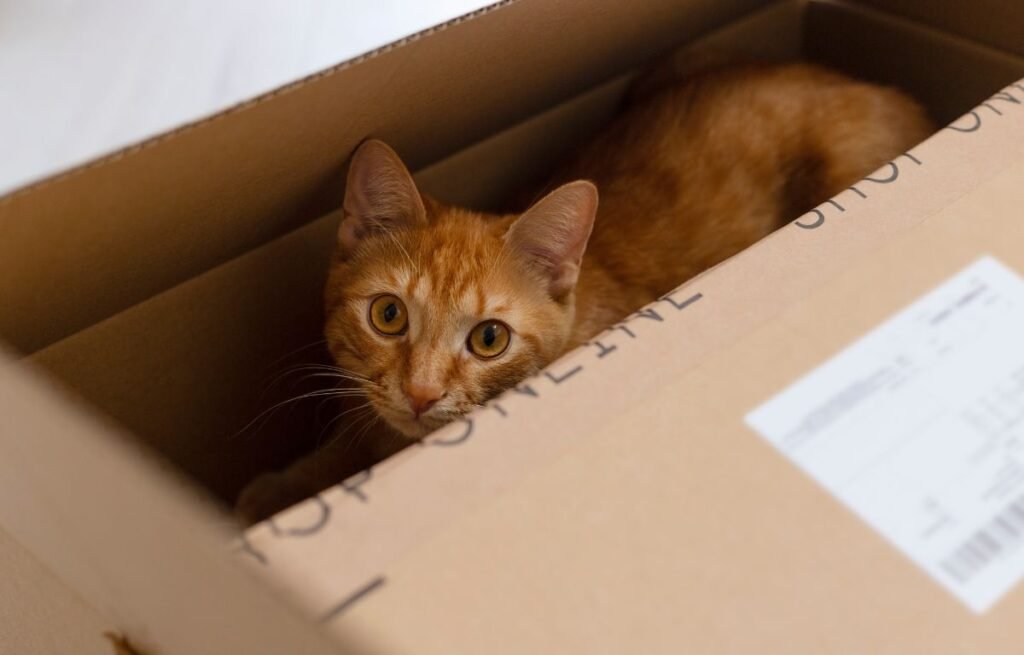
How Long Does This Adjustment Period Last?
For most cats, adjustment takes a few days to a few weeks.
Factors that affect timing:
- Your cat’s personality
- Age
- Past moving experiences
- How the move was handled
Confident, curious cats often adapt faster. Shy or senior cats may need more time.
If behavior is gradually improving, that’s a good sign.
When Behavior Changes Are Still Normal
Your cat is likely still within normal adjustment if:
- They are eating at least small amounts
- Using the litter box consistently
- Slowly exploring more areas
- Showing moments of curiosity
Progress doesn’t have to be linear. Two steps forward, one step back is very common.
When to Pay Closer Attention
While most changes are behavioral, not medical, prolonged stress can cause issues.
Consider extra support if:
- Your cat refuses food for more than 24–48 hours
- Litter box habits stop completely
- Extreme fear lasts several weeks with no improvement
Behavioral stress can sometimes look alarming—but it usually softens with patience and consistency.
How to Help Your Cat Adjust Faster
Recreate Familiar Territory First
Start small.
Set up one “safe room” with:
- Their usual litter box
- Food and water
- Favorite bed or blanket
- Items that smell like your old home
This gives your cat a controlled base to rebuild confidence.
Keep Routines Boring and Predictable
Now is not the time for surprises.
Feed at the same times. Play at the same times. Keep your tone calm.
Routine tells your cat: life is still stable.
Let Your Cat Explore at Their Own Pace
Avoid forcing exploration.
Open doors gradually. Let curiosity do the work.
Cats regain confidence when they choose the timing.
Use Scent to Create Emotional Safety
Cats trust scent more than sight.
Helpful tips:
- Rub a soft cloth on your cat’s cheeks and place it around the home
- Avoid heavy cleaning for the first few weeks
- Keep their belongings unwashed initially
Familiar scent equals safety.
Stay Emotionally Neutral
Your cat reads your mood.
If you’re anxious, hovering, or constantly checking on them, they may interpret the environment as unsafe.
Calm presence helps more than constant reassurance.
Moving With Multiple Cats: Extra Complexity
When multiple cats move together, dynamics can shift.
You may notice:
- Temporary tension
- One cat hiding while another becomes dominant
- Resource guarding
This happens because territory resets social hierarchies.
Separate resources—multiple litter boxes, feeding stations, and resting areas—reduce friction.
How Previous Moves Shape Current Reactions
Cats remember experiences.
If your cat:
- Had a stressful move before
- Was rehomed earlier in life
- Experienced loss or instability
They may react more strongly now.
What Not to Do After a Move
Avoid these common mistakes:
- Punishing stress behaviors
- Dragging your cat out of hiding
- Introducing major changes immediately
- Over-handling when your cat wants space
Trust-building beats correction every time.
Signs Your Cat Is Settling In
Small wins matter.
Look for:
- Grooming in open spaces
- Sleeping more deeply
- Casual exploration
- Returning playfulness
These signs mean your cat is reclaiming territory mentally.
FAQs: Is It Normal for a Cat to Act Different After Moving?
Is it normal for a cat to hide after moving?
Yes. Hiding is one of the most common and healthy stress responses after relocation.
How long does it take for a cat to adjust to a new home?
Most cats adjust within 2–4 weeks, though sensitive cats may take longer.
Can a move change a cat’s personality permanently?
Usually no. Most changes are temporary stress responses, not permanent shifts.
Why is my cat suddenly more affectionate after moving?
Your cat may be seeking reassurance and safety from the most familiar presence—you.
Should I give my cat space or extra attention after moving?
Follow your cat’s lead. Some need closeness, others need space.
Conclusion: Your Cat Isn’t Broken—They’re Adjusting
Is It Normal for a Cat to Act Different After Moving? Absolutely. Your cat isn’t being dramatic, difficult, or distant on purpose. They’re recalibrating their entire world.
Moves disrupt a cat’s sense of control—but stability, routine, and understanding help restore it.
Your calm presence, predictable care, and patience are often all your cat needs to feel safe again.
Follow us for more cat behavior insights at AskYourCat.com — because every cat has something to say.