Managing Prey-Driven and Gift-Bringing Behavior in Cats
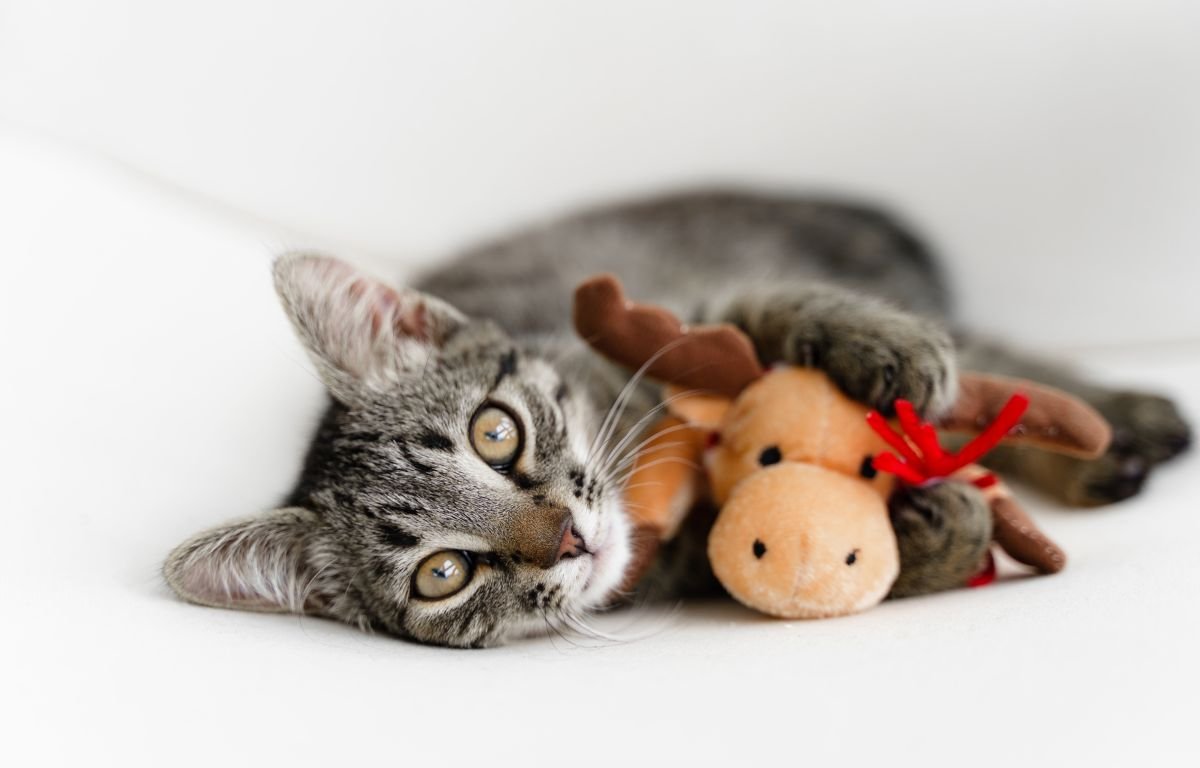
Managing Prey-Driven and Gift-Bringing Behavior in Cats – Starts with an uncomfortable truth many cat guardians discover one morning — a “present” on the floor that no one asked for. A toy, a sock, a leaf… or something much less pleasant. Before you panic or assume your cat is being strange, know this: your cat is actually being very cat.
This behavior is ancient, instinctive, and deeply emotional. And once you understand what’s really happening, your response can completely change your relationship with your cat.
Why Cats Are Driven to Hunt — Even Well-Fed Cats
Your cat doesn’t hunt because they’re hungry.
They hunt because they are wired to.
Domestic cats still share over 95% of their behavior patterns with their wild ancestors. Hunting is not just about food — it’s about fulfillment, focus, and emotional regulation.
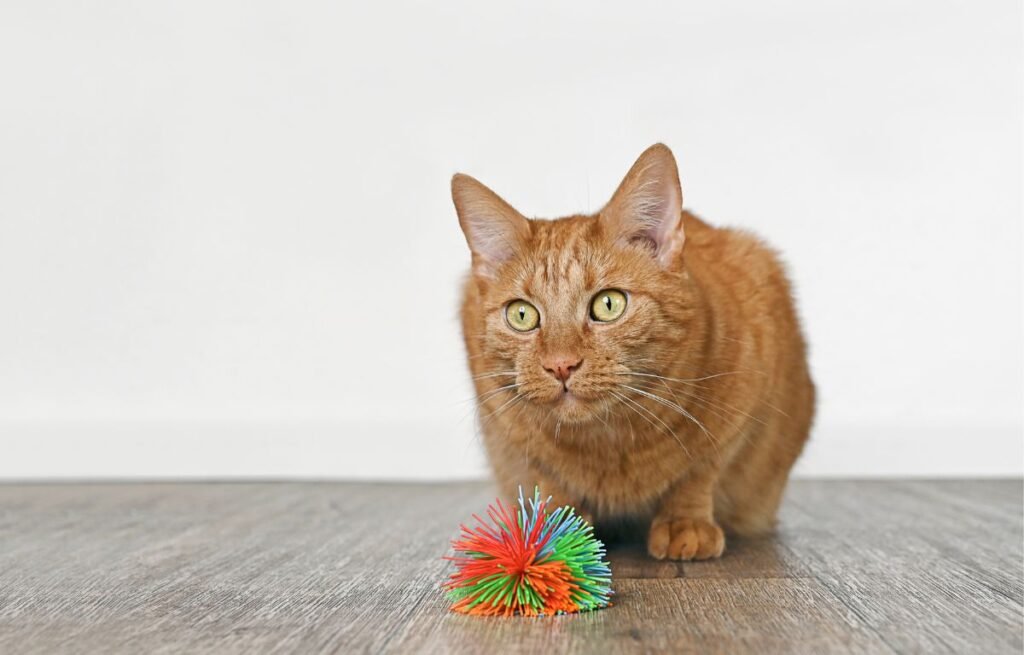
Even an indoor cat with unlimited kibble will still feel the urge to stalk, chase, and “capture.”
Prey drive is not aggression
Prey-driven behavior is often misunderstood as aggression or misbehavior. In reality, it’s:
- A natural outlet for pent-up energy
- A way to relieve stress or boredom
- A form of mental stimulation
- A confidence-building activity
When this instinct has nowhere to go, it doesn’t disappear — it redirects.
What Gift-Bringing Really Means (And What It Doesn’t)
Let’s clear up the biggest myth first.
Your cat is not trying to scare you, punish you, or gross you out.
Gift-bringing behavior is rooted in social bonding.
In the feline world, sharing prey is a sign of trust. Your cat may see you as:
- Part of their social group
- A family member who “can’t hunt well”
- Someone they care about and want to provide for
This is especially common in cats who form strong emotional attachments to their humans.
If you’ve noticed your cat becoming more cuddly alongside this behavior, it often overlaps with emotional shifts discussed in articles like why your cat may suddenly seem more affectionate, which helps explain the emotional side behind these changes.
The Difference Between Toy Gifts and Real Prey
Not all gifts mean the same thing.
Toy gifts usually signal play fulfillment
If your cat brings you toys, socks, or random objects:
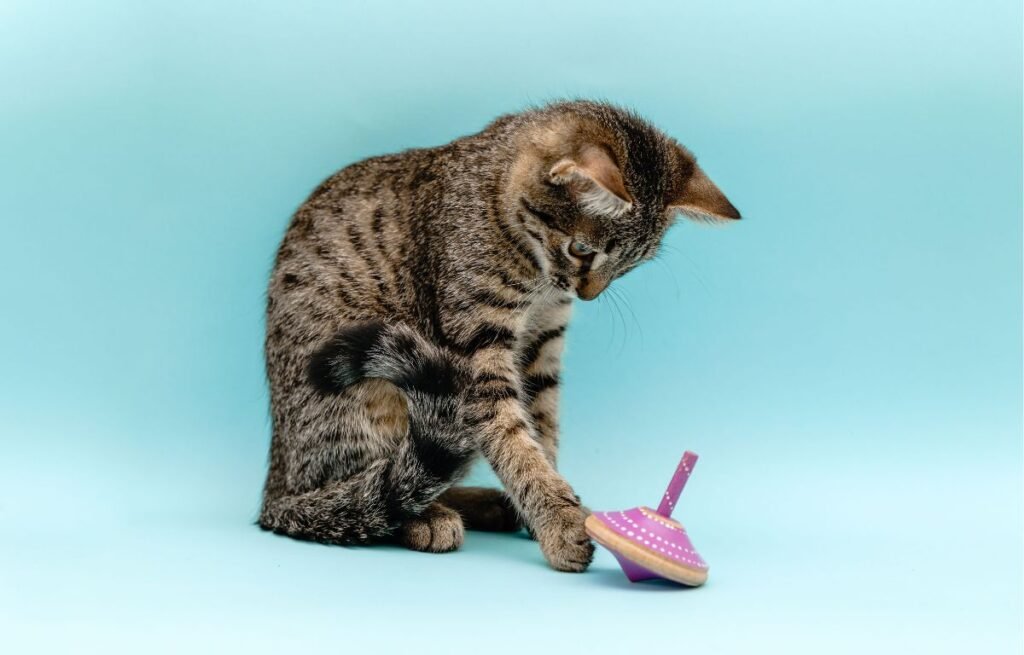
- They are practicing hunting skills
- They may be inviting interaction
- They often feel playful and confident
This is actually a healthy expression of prey drive.
Real prey signals a stronger instinct loop
When cats bring real prey, especially outdoor cats:
- The hunting sequence reached completion
- The cat feels socially bonded to you
- The instinct wasn’t redirected earlier
This doesn’t mean your cat is “too aggressive.” It means the instinct found a full outlet.
Why Some Cats Do This More Than Others
Not every cat is a prolific hunter or gift-giver.
Several factors influence this behavior:
Personality and confidence
Confident cats with strong territorial awareness tend to hunt more actively.
Early life experiences
Kittens who played hunt-style games early on often carry that pattern into adulthood.
Indoor vs outdoor environment
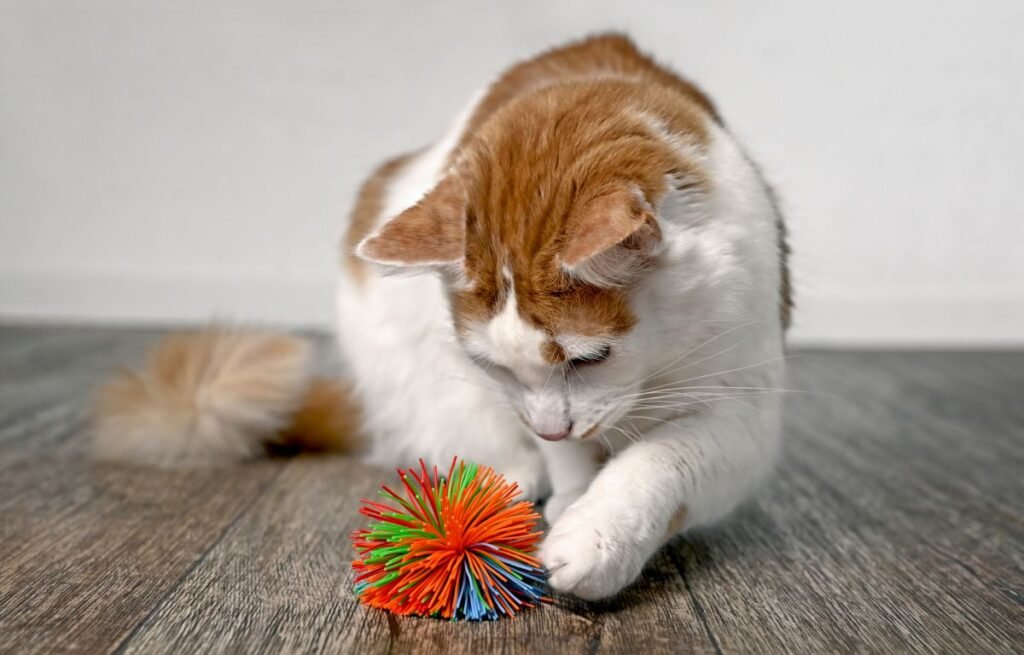
Outdoor access increases opportunity, but indoor cats may substitute with toys or objects.
Human response
Cats are excellent observers. If your reaction is intense — positive or negative — the behavior may increase.
Common Mistakes Humans Make (And Why They Backfire)
Many well-meaning cat owners unintentionally reinforce the behavior they want to stop.
Mistake #1: Reacting strongly
Yelling, panicking, or dramatic reactions can actually reward the behavior.
Mistake #2: Punishing the cat
Punishment breaks trust and does nothing to change instinct.
Mistake #3: Ignoring prey drive altogether
If your cat has no acceptable outlet, the behavior will resurface elsewhere.
Your cat isn’t misbehaving — they’re communicating.
As the famous saying goes:
“In ancient times cats were worshipped as gods; they have not forgotten this.”
— Terry Pratchett
How to Redirect Prey-Driven Behavior the Right Way
The goal isn’t to eliminate instinct. It’s to redirect it.
Create a daily hunt routine
Cats thrive on predictable cycles. Ideally, each day should include:
- Short, intense play sessions
- Toys that mimic prey movement
- A clear “capture” moment
Wand toys, feather teasers, and fast-moving toys work best.
Always finish play with success
Let your cat catch the toy. This completes the hunting sequence and prevents frustration.
Schedule play before meals
This mimics the natural hunt–eat–rest cycle and helps reduce nighttime hunting or gift-bringing.
Environmental Enrichment Matters More Than You Think
A bored cat will invent their own stimulation.
That stimulation might be your feet at 3 a.m. — or a surprise gift on the rug.
Consider:
- Window perches for visual stimulation
- Puzzle feeders
- Rotating toys weekly
- Vertical spaces for observation
Mental exhaustion is just as important as physical tiredness.
Should You Ever “Thank” Your Cat for Gifts?
Yes — but carefully.
Acknowledging your cat calmly is fine. Over-the-top praise is not necessary.
A neutral response followed by redirecting attention to play or food is ideal.
If the gift is real prey, calmly remove it without drama. Wash the area, reset, move on.
Your emotional tone teaches your cat how important the behavior is.
FAQs – Managing Prey-Driven and Gift-Bringing Behavior in Cats
Why does my cat bring me gifts at night?
Cats are crepuscular, meaning they are most active at dawn and dusk. Nighttime gifts often happen when their energy peaks and no structured outlet is available.
Is gift-bringing a sign my cat loves me?
Yes. In feline social behavior, sharing prey often reflects trust and bonding.
Can indoor cats show prey-driven behavior too?
Absolutely. Indoor cats often redirect prey drive toward toys, objects, or human interaction.
Should I stop my cat from hunting entirely?
No. The instinct is natural. The focus should be redirection, not suppression.
Why does my cat only bring gifts to me and not others?
Your cat may see you as their primary social bond or the one who responds most noticeably.
Does this behavior mean my cat is stressed?
Not necessarily. It can be a sign of confidence and engagement. However, sudden increases may reflect boredom or environmental changes.
What Your Cat Is Really Telling You
When your cat brings you a gift, they are saying something — just not in human language.
They might be saying:
- “I trust you.”
- “I’m stimulated.”
- “I want interaction.”
- “I don’t have enough outlets for my instincts.”
Understanding this changes everything.
Instead of frustration, you gain insight.
Instead of confusion, you gain connection.
Final Thoughts – Managing Prey-Driven and Gift-Bringing Behavior in Cats
Managing Prey-Driven and Gift-Bringing Behavior in Cats: What It Really Means and How to Respond isn’t about stopping your cat from being a cat — it’s about learning how to speak their language more fluently.
When you respond with understanding instead of reaction, your cat feels safer, more fulfilled, and more connected to you.
Follow us for more cat behavior insights at AskYourCat.com — because every cat has something to say.