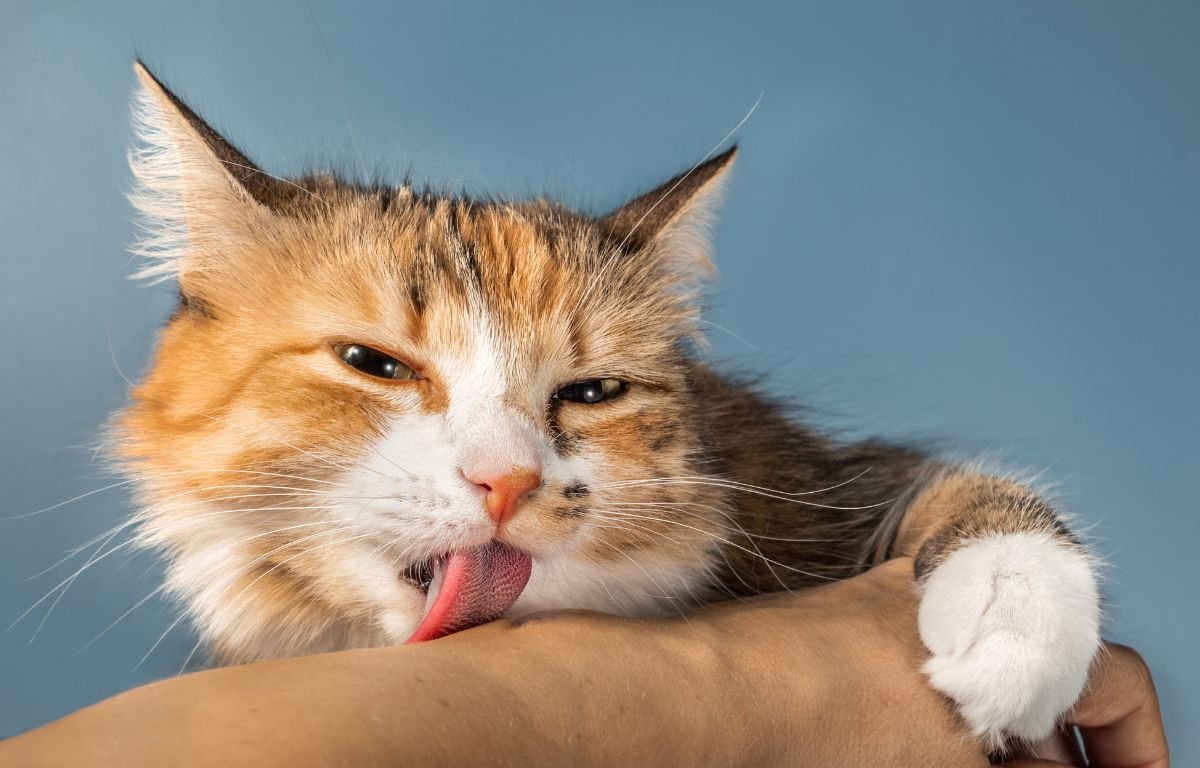
Why Does My Cat Lick Me Excessively
Why Does My Cat Lick Me Excessively?
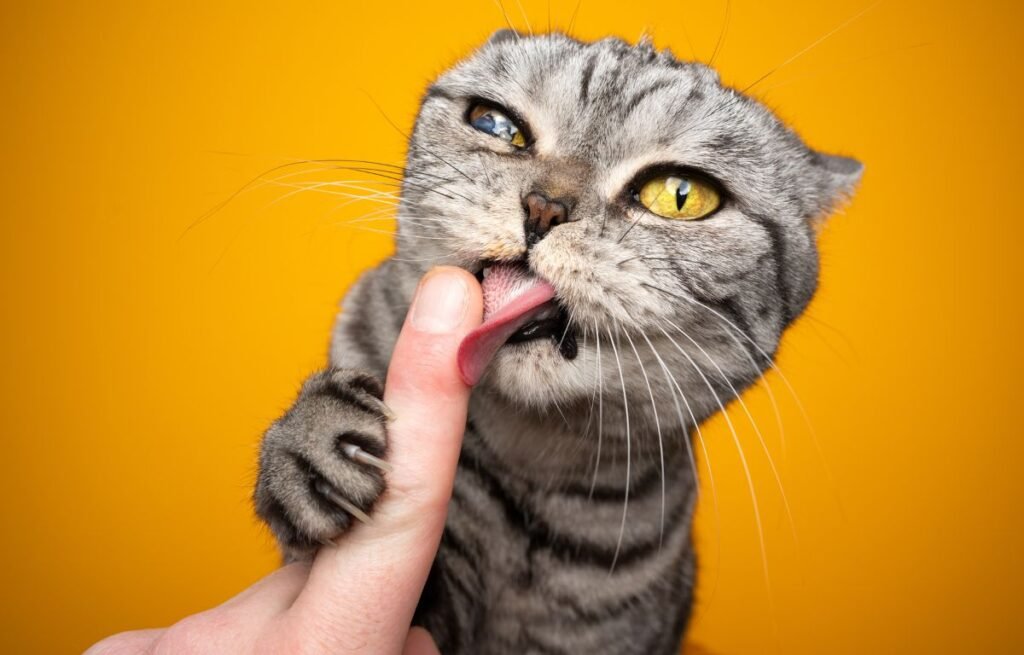
If your cat has recently shifted from gentle, affectionate licks to constant, almost obsessive grooming of your skin, you’re not imagining it — and it’s not always “just love.” Excessive licking can be a sign of emotional dependency, stress relief, learned behavior, or even an early medical warning that deserves your attention. Understanding why this intensity is happening can help you support your cat while protecting your own comfort and skin.
Emotional Reasons Behind Excessive Licking
Cats groom to connect. Grooming is one of the earliest bonding behaviors kittens learn, and many cats carry that instinct throughout their entire lives.
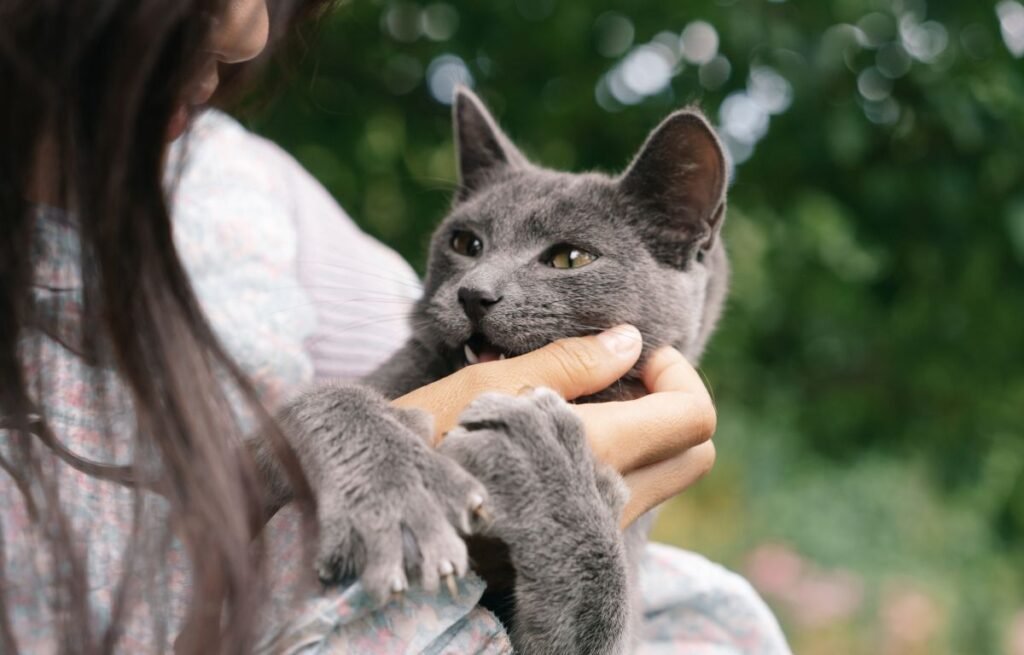
Licking as a Sign of Affection and Trust
When your cat licks you excessively during calm, quiet moments, think of it as a throwback to kittenhood. Mother cats groom their babies to comfort and bond with them. Your cat may simply be repeating that loving ritual.
If your cat suddenly becomes more intense with affection or grooming, this emotional shift may be a sign of seeking comfort and reassurance. The goal is always connection — even if it’s a bit overwhelming for your skin.
Stress Relief and Self-Soothing Behavior
Licking releases endorphins — the “calming chemicals” in a cat’s brain.
If your cat is anxious, overstimulated, adjusting to a change in your home, or even bored, licking you may become a self-soothing ritual.
Common triggers include:
- New pets or visitors
- A recent move
- Rearranged furniture
- Loud noises or construction
- Reduced playtime or stimulation
Some cats lick their favorite person when they need grounding. You become their emotional anchor.
Licking as a Way to Mark You
Cats have scent glands in their mouths.
When a cat licks you excessively, it may be a subtle way of marking you as part of their social group.
This behavior is especially common in multi-cat homes where your cat is trying to reinforce that you belong specifically to them.
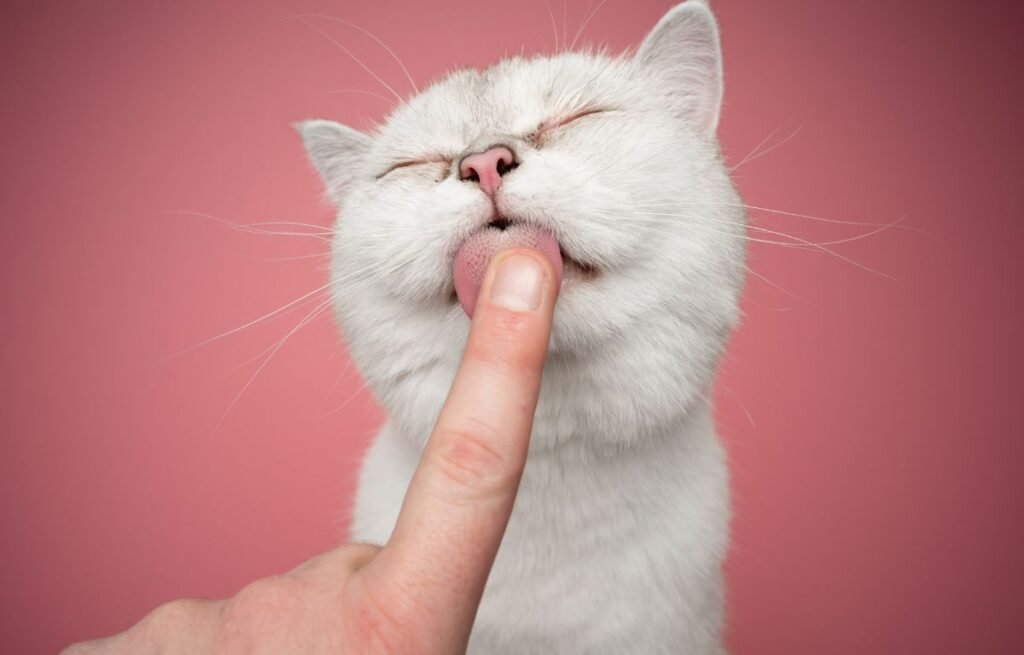
Behavioral Causes You Shouldn’t Ignore
Not all excessive licking is emotional. Sometimes it’s a patterned behavior that becomes a habit — or even a compulsion.
Learned Behavior (Accidental Reinforcement)
If you pet your cat, cuddle them, or laugh when they lick you, your attention becomes a reward.
Without realizing it, you may have taught your cat that licking gets your affection.
Over time, this turns into a repeated pattern:
Your cat licks → You react positively → Your cat repeats the behavior
If your cat licks specifically during times when they want something — food, play, or comfort — this is often the reason.
Overstimulation and Redirected Energy
Some cats lick excessively when they’re overstimulated during petting.
They don’t want to bite or scratch, so licking becomes the “safer” alternative to release excess energy.
A useful example:
If your cat licks you intensely right after you scratch their back or tail base, you may have crossed their stimulation threshold. They’re not angry — they’re overstimulated.
Grooming You Out of Habit, Not Emotion
Cats often groom each other in established social pairs. If your cat views you as their main companion, they may treat you like they would another cat:
- Licking your hands
- Licking your hair
- Grooming your face
- Trying to “fix” your eyebrows or beard
This mimicry may appear excessive simply because cats don’t realize humans have different grooming boundaries.
When Excessive Licking Has a Medical Cause
While emotional and behavioral reasons are common, some cats lick excessively due to discomfort, health issues, or sensory changes.
Skin-Taste Attraction (Salt, Lotions, Scents)
Cats are extremely sensitive to smells and tastes.
If your cat is repeatedly licking specific patches of your skin, it’s possible they’re reacting to:
- Sweat (salt attracts cats)
- Lotions or creams
- Oils
- Perfumes
- Food residue
Some scents mimic pheromones, and these can trigger repetitive licking.
Dental Problems or Mouth Discomfort
Cats experiencing mouth pain may lick excessively to find relief.
Your skin is warm, and the action of licking may soothe irritated gums or teeth.
Signs to watch for:
- Bad breath
- Drooling
- Pawing at the mouth
- Reduced appetite
If these appear alongside obsessive licking, a vet check is recommended.
Early Symptoms of Nausea or GI Discomfort
Cats often lick surfaces — or their humans — before vomiting or during mild gastrointestinal irritation.
If licking becomes repetitive and is paired with:
- Eating less
- Drooling
- Hiding
- Lip smacking
…it may be a subtle nausea signal.
Allergies or Itching Transferred to You
If a cat can’t reach an itchy spot on their own body, they may redirect grooming behavior onto you.
This is rare but possible, especially if excessive licking started abruptly.
What Should You Do If Your Cat Licks You Excessively?
A calm, structured approach works best.
Step 1 — Observe the Triggers
Write down when the licking happens:
- During cuddles?
- When you come home?
- Only at night?
- After applying lotion?
Patterns often reveal the cause.
Step 2 — Redirect With Enrichment
If the licking is behavioral or emotional, give your cat alternative outlets:
- Interactive play for 10–15 minutes daily
- Puzzle feeders
- Scratching posts
- Safe chew toys
When your cat begins licking, gently redirect them with a toy — not punishment.
Step 3 — Adjust Your Scents
If your cat is obsessed with licking your lotions, perfumes, or sweat, try switching to unscented or mild products for a few days to see if the behavior changes.
Step 4 — Set Gentle Boundaries
If the licking bothers you:
- Remove your hand or skin
- Place a soft blanket between you and your cat
- Redirect with petting or play
Never yell, tap the nose, or push them — this creates stress and increases the behavior.
Step 5 — Consider a Vet Visit if Behavior Is New
If excessive licking begins suddenly, medical causes should be ruled out first.
What Excessive Licking Says About Your Relationship
Believe it or not, this behavior often reflects deep emotional trust.
Cats don’t groom strangers. They groom family.
Excessive licking usually means:
- Your cat feels bonded to you
- You provide comfort
- They see you as part of their social group
- They rely on you to regulate their emotions
There is also a fascinating emotional overlap with affectionate behavior described in resources exploring sudden increases in clinginess, which can reveal similar patterns of emotional communication.
And sometimes — they just love the taste of your salty skin.
FAQs — Why Does My Cat Lick Me So Much?
Why does my cat lick me excessively at night?
Nighttime licking usually means your cat is seeking comfort, routine, or reassurance. Cats often groom their preferred companion before settling down to sleep.
Why does my cat lick me excessively and then bite me?
This is often a sign of overstimulation. Your cat means well but reaches their sensory limit and switches from grooming to gentle nipping.
Why does my cat lick my face excessively?
Face grooming mimics cat-to-cat bonding. Your cat sees you as a close social partner or is drawn to the scents on your skin.
Why does my cat lick my hands so much?
Salt from sweat and food smells on fingers attract cats. Hands are also a high-contact area associated with affection.
Is excessive licking ever dangerous?
It can become a problem if linked to anxiety, medical discomfort, or compulsive behavior. If new or intense, observe closely and consider a vet check.
Why does my cat lick me excessively when stressed?
Licking releases endorphins that help your cat calm down. Stress-related grooming is common during big household changes.
Can I train my cat to stop licking me?
Yes. Use gentle redirection, enrichment, play, and scent adjustments. Never punish — it increases anxiety and behavior.
Conclusion – Why Does My Cat Lick Me Excessively
Excessive licking is your cat’s way of speaking to you — through affection, instinct, habit, or discomfort. The key is paying attention to when and why it happens. With a bit of observation and gentle guidance, you can support your cat emotionally while keeping your skin intact.
Follow us for more cat behavior insights at AskYourCat.com — because every cat has something to say.