5 Ways to Redirect Your Cat’s Attention – Seeking Behavior
Cats are masters of getting our attention, and 5 Ways to Redirect Your Cat’s Attention is the guide you need when your feline starts meowing, pawing, or climbing on your laptop every time you sit down. This behavior isn’t random — your cat is communicating a real need. The good news? You can gently redirect it without stress, punishment, or frustration.
Every cat owner has been there: you’re typing an important email, and suddenly—whiskers in your face. Or maybe your cat turns into a furry alarm siren the moment you walk past the treat cabinet. Attention-seeking isn’t “bad” behavior; it’s a form of communication. Your job is to decode it and guide your cat toward healthier ways to express their needs.
Let’s break down exactly how to do that.
Why Cats Develop Attention-Seeking Behavior
Cats don’t wake up one morning deciding to be “dramatic.” If your cat constantly tries to get your attention, there’s always an underlying reason. Some of the most common include:
- Boredom
- Excess energy
- Separation anxiety
- Changes in routine
- Hunger cues (real or learned)
- Desire for affection or reassurance
“Time spent with cats is never wasted.” — Sigmund Freud
5 Ways to Redirect Your Cat’s Attention – Seeking Behavior
1. Create a Predictable Daily Routine
Cats thrive on structure. When meals, playtime, and bonding moments happen at consistent times, your cat feels secure — and has fewer reasons to beg for attention.
How this helps
A predictable routine:
- Reduces anxiety
- Prevents unnecessary vocalization
- Gives your cat clear expectations
- Helps eliminate “nagging” for food or attention
Even a small adjustment, like feeding 15 minutes earlier during busy mornings, can prevent frantic meowing.
2. Add More Interactive Play Sessions
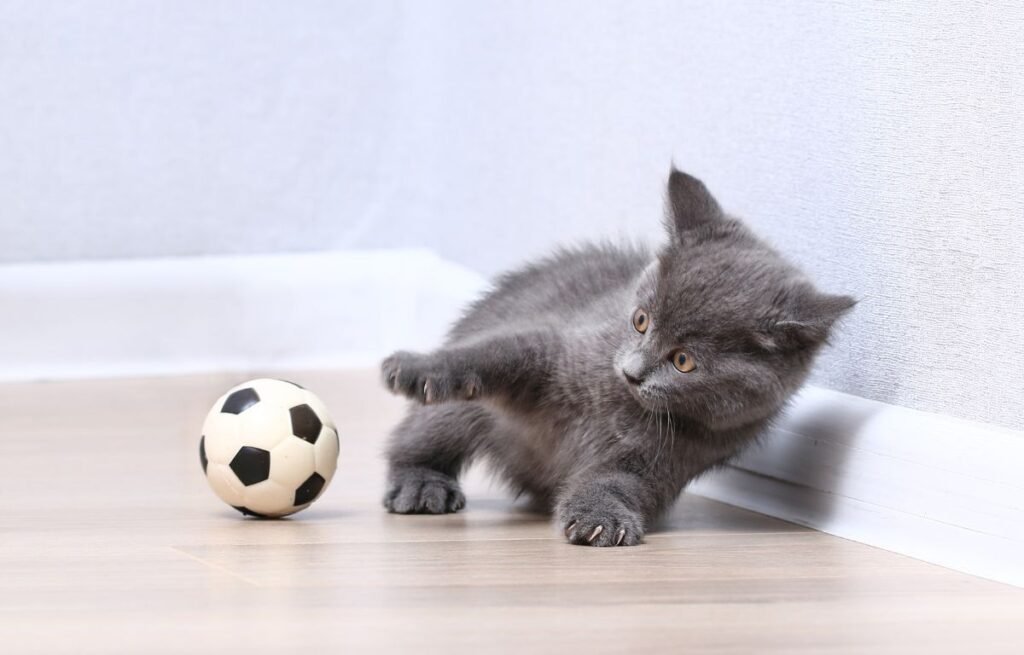
Most attention-seeking behavior comes from unused energy. Cats have a natural cycle of hunt → play → eat → sleep. If the “hunt/play” part is missing, they may try to create stimulation by pestering you.
Your goal
Provide at least:
- Two 10–15 minute play sessions per day
- Use wand toys, feather teasers, or anything that mimics real prey
- Finish with a small treat or part of their meal to complete the hunt cycle
A tired cat is a content cat — and far less likely to swat at your leg while you work.
3. Teach Your Cat to Use “Replacement Behaviors”
Instead of saying “no,” you redirect your cat toward an alternative that satisfies the same need.
Examples
If your cat:
- Meows for attention → redirect to a play session or puzzle feeder
- Walks on your keyboard → place a warm blanket or cat bed next to you
- Headbutts you constantly → reward calm behavior with gentle petting
- Scratches furniture to get your attention → lead them to a scratching post and reward immediately
This method works because your cat learns:
“This action = positive result.”
Cats repeat what gets rewarded.
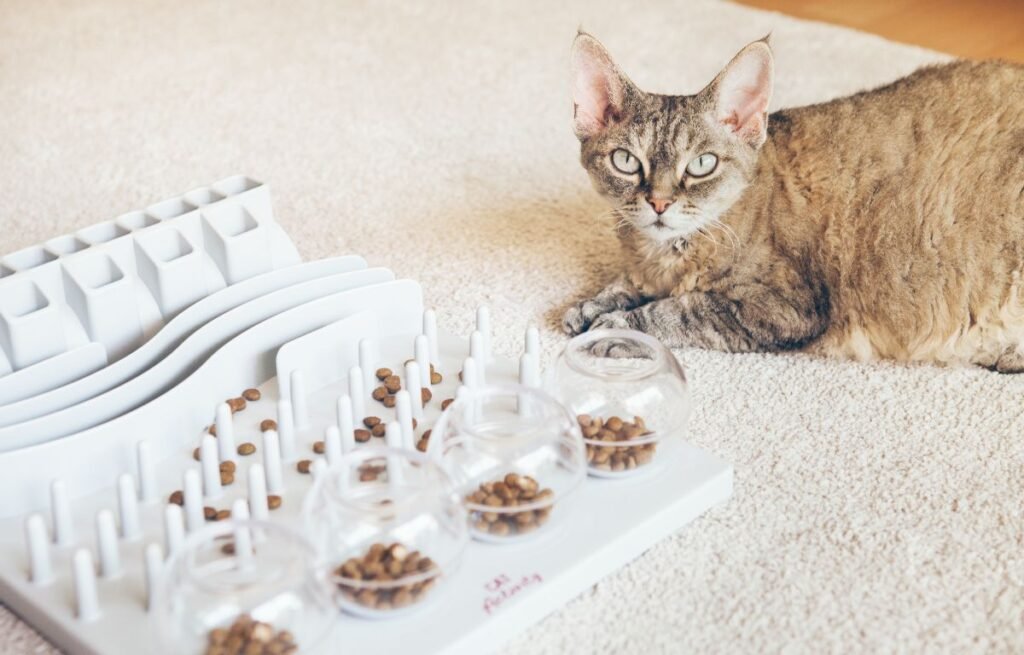
4. Enrich Their Environment
If your cat is bored, they will come find you. Environmental enrichment gives them independent entertainment.
Ideas that work extremely well
- Window perch for bird watching
- Cat TV (slow videos of birds, fish, or squirrels)
- Rotating toy system (don’t leave all toys out at once)
- Vertical shelves for climbing
- Puzzle feeders to occupy the mind
Think of this as designing a tiny amusement park — for one very important furry guest.
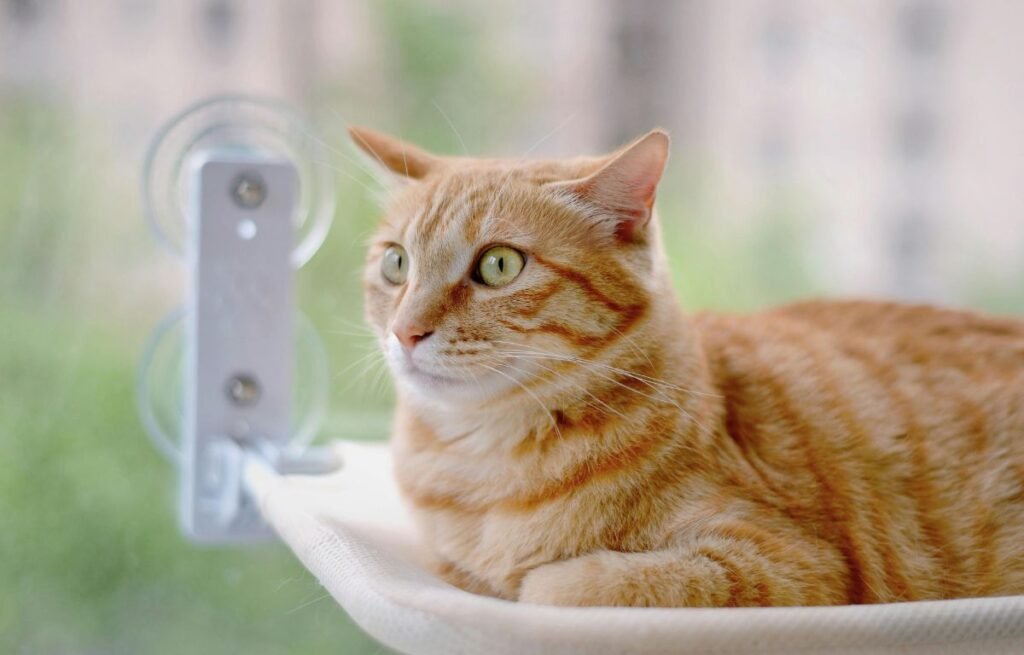
5. Reward Calm Behavior (Ignore the Pushy Kind)
This is the hardest step for humans — but the most effective.
Cats quickly learn patterns. If meowing, pawing, or “accidentally” knocking things over gets your attention, they will absolutely do it again.
Here’s the trick
- Reward your cat only when they are calm
- Offer affection, treats, or soft praise when they relax near you
- Do not immediately react to demanding behavior
- Stay consistent — your cat watches everything
This teaches your cat:
“I get what I want when I’m calm, not when I’m pushy.”
And don’t worry — ignoring attention-seeking doesn’t harm your bond. In fact, it strengthens it because your cat learns to communicate in healthier ways.
Common Situations & How to Redirect Them
Your Cat Jumps on Your Laptop
They’re seeking warmth, your scent, and attention. Provide a cozy, warm alternative nearby. A folded blanket beside your workstation works like magic.
And yes, this is exactly why so many cats choose your book or computer over anything else.

Your Cat Meows Nonstop
Break the reward cycle: don’t respond to the meowing itself. Wait for a pause — then offer attention.
Your Cat Paws at You
This often signals boredom. Offer a quick 2-minute mini play session to redirect energy.
Your Cat Follows You Everywhere
This can be affection-driven. Some felines simply form deep emotional bonds. It overlaps with the same kind of shift described when cats suddenly become more affectionate.
FAQ – 5 Ways to Redirect Your Cat’s Attention
Why is my cat suddenly seeking more attention than usual?
Sudden changes can come from stress, routine shifts, or emotional bonding. Cats also become more affectionate during colder seasons or when they feel insecure.
How do I know if my cat’s attention-seeking is behavioral and not medical?
If the behavior appears suddenly and is paired with appetite changes, weight loss, or lethargy — consult a vet. Otherwise, it’s likely emotional or routine-related.
Is it okay to ignore attention-seeking behavior?
Yes, as long as you balance it with rewarding calm behavior and fulfilling your cat’s needs through play, enrichment, and routine.
How long does it take to redirect attention-seeking behavior?
Most cats respond within 3–7 days of consistent redirection and reward-based training.
Will my cat feel unloved if I ignore their demanding behavior?
No. Cats interpret consistency as safety. You’re teaching them a healthier pattern of communication.
Does attention-seeking mean my cat is bored?
Often, yes. Play, climbing space, and puzzle activities usually reduce attention-seeking by 50–80%.
Can older cats also show attention-seeking behavior?
Definitely. Senior cats may become more vocal or clingy when their senses diminish or their routine shifts.
Conclusion – 5 Ways to Redirect Your Cat’s Attention
Redirecting attention-seeking behavior isn’t about shutting your cat down — it’s about giving them healthier, happier ways to connect with you. When you combine routine, stimulation, gentle redirection, and positive reinforcement, your cat learns exactly how to express their needs without overwhelming you.
Your bond becomes stronger.
Your cat becomes calmer.
And your home becomes… quiet. Well, quieter.
Follow us for more cat behavior insights at AskYourCat.com — because every cat has something to say.