Why Won’t My Cat Sleep Alone
Why Won’t My Cat Sleep Alone – This is one of the most common questions cat owners ask when their feline suddenly insists on turning every night into a shared sleepover. Even if your cat has its own cozy bed, plush blankets, or a perfectly positioned spot by the heater, some cats still refuse to sleep anywhere except glued to you like a furry heating pad.
This behavior can feel adorable, confusing, or even overwhelming — and the reason why your cat won’t sleep alone is a blend of instinct, comfort, social bonding, and environmental triggers. In this guide, we’ll break down the real reasons behind your cat’s nighttime attachment and how to gently encourage independent sleep when necessary.
Cats Aren’t Truly “Solitary” — Especially at Night
Cats have a reputation for independence, but nighttime tells a different story. When the world gets quiet, your cat’s instincts get louder. In the wild, nighttime is when cats rely on their group — or their safest companion — for security, shared warmth, and protection.
Modern housecats carry those instincts, even if they sleep in soft beds instead of dense brush.
Your Cat Sleeps With You Because You’re Their Safe Zone
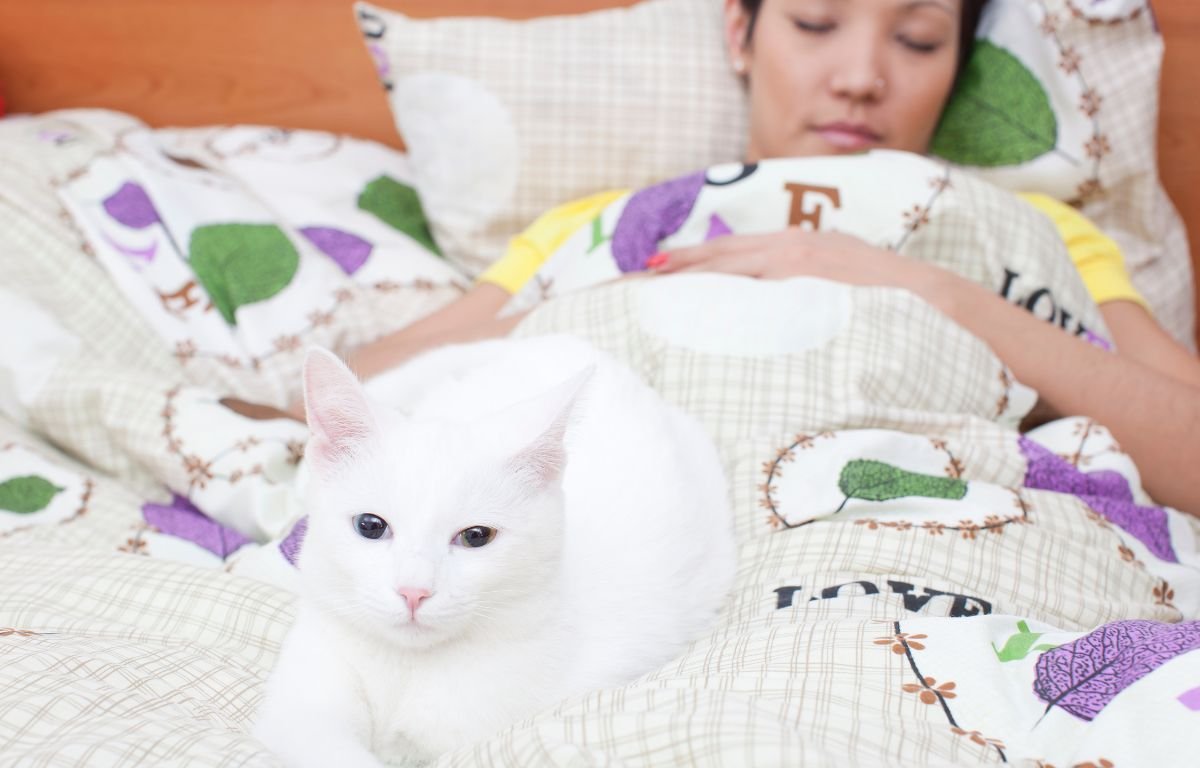
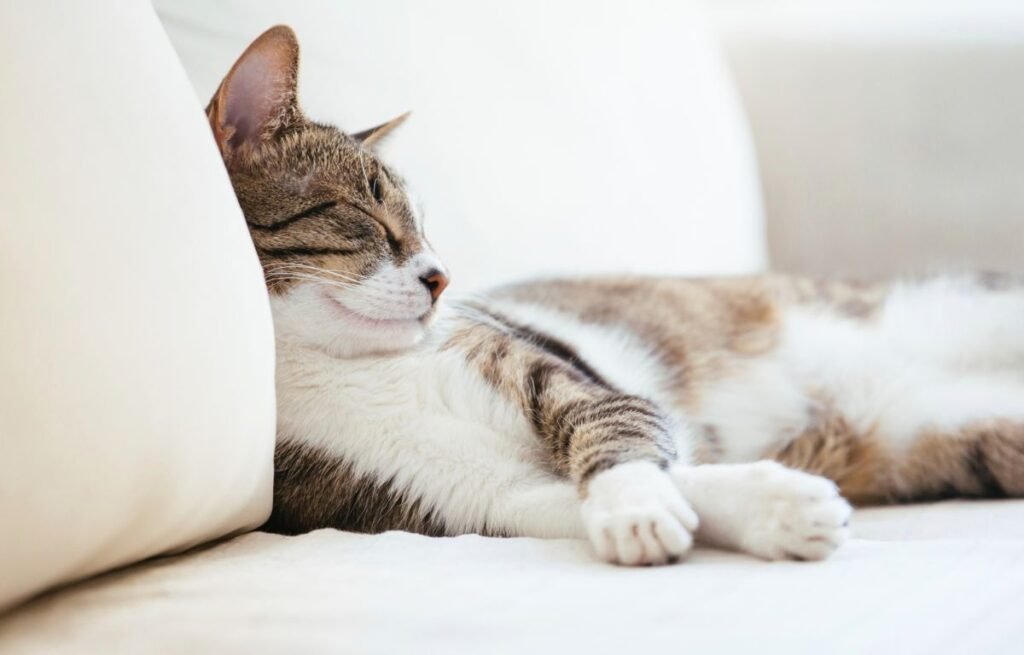
One of the strongest reasons a cat refuses to sleep alone is emotional safety. Cats bond intensely, but selectively. If your cat chooses to sleep with you, it’s a silent but powerful statement of trust.
Your cat may gravitate to you because:
- Your breathing and heartbeat help them stay calm
- Your scent signals safety
- Your warmth matches their ideal sleeping temperature
- They trust you enough to be vulnerable around you
Many readers recognize a common pattern: the cat has a bed but chooses to sleep on you, next to you, or pressed against your legs. This type of clingy affection is explored beautifully in a deeper analysis of nighttime bonding in why does my cat sleep on me every night, a helpful guide on AskYourCat.com woven into this discussion.
A Cat Who Doesn’t Want To Sleep Alone Might Be Seeking Reassurance
Some cats become especially “sticky” during sleep time because their environment or routine has changed. Even small changes can disrupt a cat’s sense of security.
Common triggers that make a cat clingier at night include:
- Moving to a new home
- New pets or new people
- A different work/sleep schedule in the household
- Loud noises in the evening (construction, fireworks, upstairs neighbors)
- A recent illness or vet visit
- Separation from their favorite person during the day
Example
A reader once shared how her usually independent tabby began sleeping on her pillow every night after she started working longer shifts. The cat wasn’t misbehaving — she was reconnecting emotionally after missing her human during the day.
They Don’t Want To Sleep Alone Because They’re Bonded To You
Cats form attachment patterns in ways similar to children. Some cats have secure attachment, others anxious, and some avoidant.
A cat who refuses to sleep alone typically shows secure or anxious attachment.
Signs of this attachment style include:
- Following you from room to room
- Jumping onto your lap as soon as you sit
- Crying or calling when you close a door between you
- Sleeping on your clothes or pillow
- Kneading on your chest before settling down
This is normal — even healthy — as long as your cat isn’t showing extreme distress when you’re not around.
Sleeping Alone Feels “Wrong” to Some Cats — Especially if They Grew Up With Littermates
Cats that grew up in large litters often develop lifelong habits of group sleeping. Those early memories build what behaviorists call social sleep imprinting.
If your cat spent its kittenhood in a warm pile of siblings, sleeping alone may feel uncomfortable or unfamiliar. Your bed becomes the closest replacement.
The Temperature Factor: Your Cat Is a Heat-Seeking Creature
Cats crave warmth more than almost any other household pet. A human body radiates the perfect, steady heat source.
Cats prefer sleeping on:
- Your chest (warm heart + steady rhythm)
- Your stomach (deep warmth)
- Behind your knees (protected pocket of heat)
- On your feet (easy position to escape)
If your home is cool at night, this alone may answer Why Won’t My Cat Sleep Alone?
They Prefer Your Pillow Because It Smells Like “Home”
Many cats aren’t just choosing you — they’re choosing your scent. Cats navigate the world through smell much more than sight or sound.
Your pillow, blanket, hoodie, or even your hair carry your scent signature. For your cat, it’s like curling up with a calm, familiar, comforting signal of “my human is safe and close.”
This emotional preference for sleeping close to their humans is also connected to the fact that many cats feel safest near your head, where your breathing and heartbeat stay steady throughout the night. That spot often becomes their favorite because it offers warmth, comfort, and a predictable rhythm that helps them relax.
Environmental Reasons Your Cat Won’t Sleep Alone
Sometimes the reason is simpler than emotions or instinct — your cat’s chosen sleep spot may just not be appealing.
Your cat might avoid sleeping alone because:
- Their bed is in a noisy spot
- It’s too cold or drafty
- The bed is too small or too squishy
- It smells different after washing
- Another pet has claimed it
- It’s placed in a high-traffic area
Cats need a sleep area that feels secluded but still accessible, warm but not stuffy, and theirs — not washed with strong detergent or moved too often.
Anxiety Can Drive Your Cat to Seek Nighttime Closeness
Some cats experience mild nighttime anxiety. This doesn’t mean anything is “wrong” — cats are naturally more alert at dusk and dawn.
Signs your cat is anxious at night:
- Excessive meowing when you go to bed
- Scratching at the bedroom door
- Climbing onto your chest or neck
- Pacing or restlessness before settling
- Over-grooming before sleep
A quiet, dimly lit room or a warm blanket near your bed can sometimes reduce this anxiety enough for the cat to sleep independently.
A Cat Not Wanting To Sleep Alone Can Be Completely Normal
In most cases, this behavior is harmless. Cats love routine, predictability, warmth, and emotional connection. Sleeping with you covers all four.
As the famous writer Jean Burden once said, “A cat is a puzzle for which there is no solution.” If your cat’s nighttime habits feel like a mystery, you’re not alone — and your cat is just being a cat.
How To Encourage Your Cat To Sleep Alone (If You Want More Space)
Some owners love the cuddles; others need sleep without whiskers in their face. If you prefer your cat to sleep independently, you can gently guide the shift.
1. Make Their Bed Irresistible
- Place it in a warm, quiet area
- Add a worn T-shirt so your scent is present
- Elevate it slightly — many cats prefer higher ground
- Try a cave-style bed for anxious cats
2. Create a Predictable Nighttime Routine
Routine reduces nighttime restlessness. Try:
- A play session 1–2 hours before bed
- A small evening meal or treat
- Calming, dim lights in the room
- Soft white noise if your home is loud
3. Let Your Cat Start the Night Near You
Some owners find success when they allow the cat near the bed at first, then gently place them into their own bed after they’re calm and drowsy.
4. Avoid Pushing Your Cat Away Abruptly
This often makes the cat more determined to stay close. Gentle redirection works much better.
5. Reward Independent Sleeping
When your cat uses their own bed — praise them quietly, pet them, or offer a treat. Positive reinforcement builds long-term habits.
FAQs About Why Won’t My Cat Sleep Alone
Why won’t my cat sleep in their own bed at night?
Your cat may prefer your bed due to warmth, scent, emotional bonding, or environmental discomfort with their own sleeping area.
Why does my cat cry when I leave the bedroom?
This is usually a sign of attachment or mild nighttime anxiety. Cats feel safest when they’re near their favorite human.
Is it normal if my cat suddenly stops sleeping alone?
Yes. Cats frequently change their sleep habits due to routine changes, seasonal temperature shifts, or emotional reasons.
Why won’t my cat sleep alone anymore after moving homes?
New environments can feel overwhelming. Sleeping near you helps your cat re-establish security and familiarity.
Can I train my cat to sleep independently?
Absolutely. A warm, comfortable bed, consistent routine, and gentle guidance can help your cat transition.
Why does my cat only sleep alone during the day but not at night?
Daytime feels safer — more light, more activity, fewer threats. Nighttime amplifies instinctive bonding and security needs.
When should I worry about my cat not sleeping alone?
Only if the behavior is paired with distress signs like crying, hiding, appetite changes, or sudden fearfulness. Otherwise, it’s normal.
Conclusion – Why Won’t My Cat Sleep Alone
If you’ve been wondering Why Won’t My Cat Sleep Alone?, the answer lies in a beautiful mix of instinct, trust, safety, comfort, and emotional bonding. Your cat sleeps with you because you represent warmth, familiarity, and protection — the ultimate safe zone. Whether you cherish the closeness or prefer a bit more personal space at night, understanding the why behind the behavior helps you respond with patience and confidence.
Follow us for more cat behavior insights at AskYourCat.com — because every cat has something to say.